
Traditional marketing fails with AI shopping agents because agents choose products from data — preferences, reviews and price — not from broad ads or brand messages. To win, businesses need personalized, data-driven offers and a competitive pricing strategy, not louder campaigns.
As technology advances, marketing changes with it, and traditional strategies lose effect — especially when the buyer is assisted by an artificial intelligence (AI) shopping agent. Offers and promotions that once worked are getting lost among automated choices, raising questions about age-old marketing tactics. This article explores what drives the shift and how AI is reshaping market dynamics.
Why doesn’t traditional marketing work on AI shopping agents?
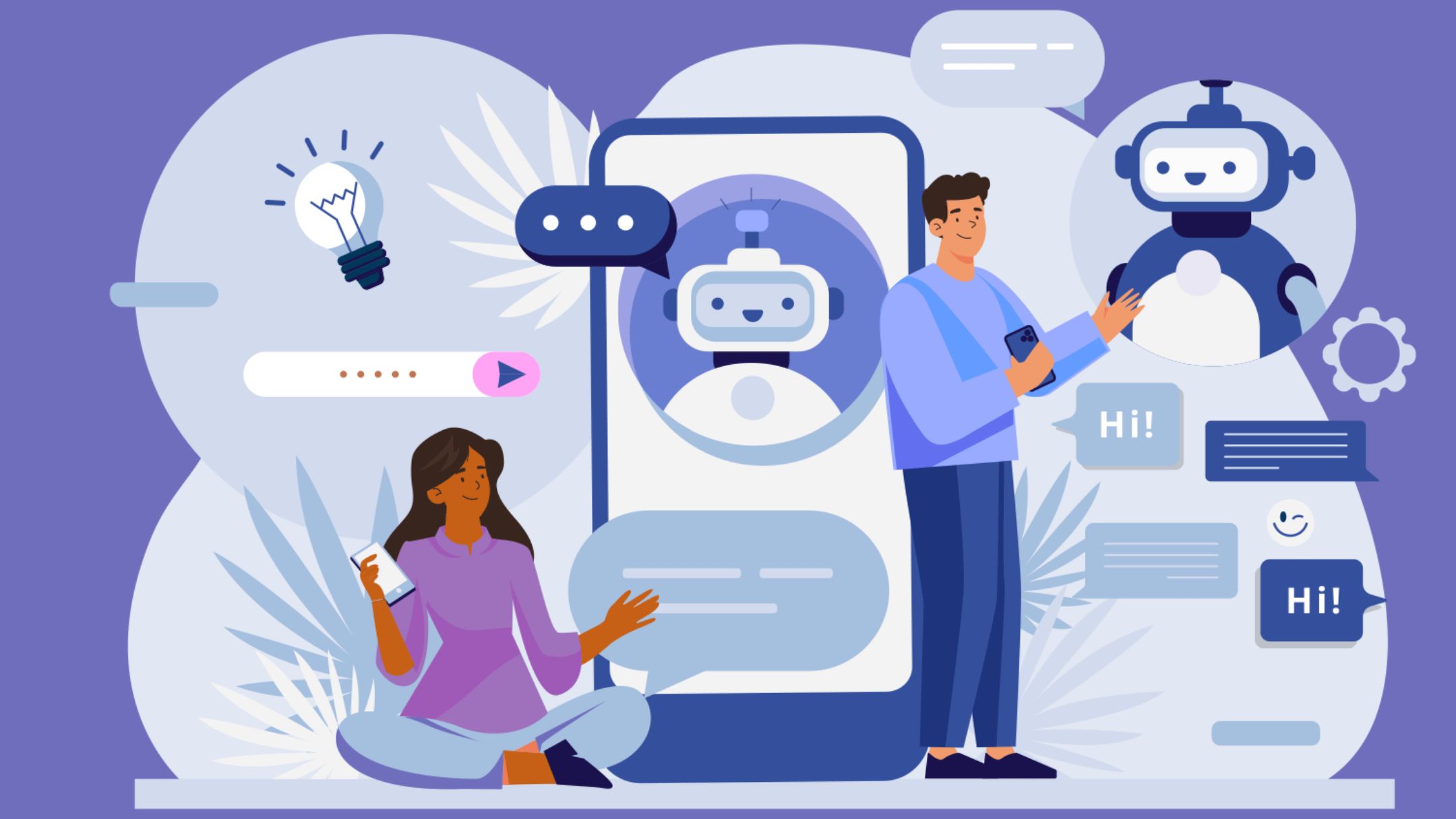
Trợ lý mua sắm AI have changed how consumers interact with brands and make purchasing decisions. Strategies built on direct consumer engagement — television commercials, newspaper ads or face-to-face sales pitches — no longer resonate the same way. Marketing that once felt groundbreaking now struggles against AI, and the growing use of shopping agents adds to that decline.
Understanding AI shopping agents and their impact on consumer behavior
AI shopping agents are systems that help consumers through the buying journey, using algorithms that analyze large amounts of data to tailor recommendations to each user. They appear on ecommerce websites, mobile apps and other platforms and offer personalized shopping experiences. This shift toward AI-assisted buying has noticeably changed consumer behavior.
Traditionally, consumers relied on marketing content to guide their purchases. They responded to advertisements, blogs and storefront displays, trusting that the brand’s message matched their needs. With AI shopping agents, consumers receive tailored suggestions based on their previous interactions, search history and even social media activity. As a result, they rely less on traditional marketing messages.
The classic awareness, consideration and conversion funnel is losing its effect. Brands must adapt to a digital landscape where consumers value convenience and personalization over one-size-fits-all campaigns.
The limitations of traditional marketing in AI-driven commerce
Traditional marketing may still work in specific markets or demographics, but it is increasingly ineffective in AI-driven commerce. Its limitations become clear when you consider:
- Lack of personalization: Traditional marketing usually sends the same message to a broad audience, regardless of individual preferences or behavior. AI shopping agents make personalized recommendations from individual data, which makes broad campaigns less relevant.
- Shorter attention spans: Consumers are bombarded with information and their attention is limited. Lengthy ads and long product descriptions cannot keep up with the rapid engagement digital platforms demand.
- A shift in consumer trust: Many consumers are skeptical of traditional advertising and see it as manipulative or insincere. They place more trust in AI-driven suggestions informed by other buyers’ experiences, ratings and reviews, which changes how brands are perceived.
These limitations explain why traditional marketing doesn’t work on AI: it fails to adapt to a landscape shaped by changing consumer expectations and new technology.
How are AI shopping agents changing the buying process?
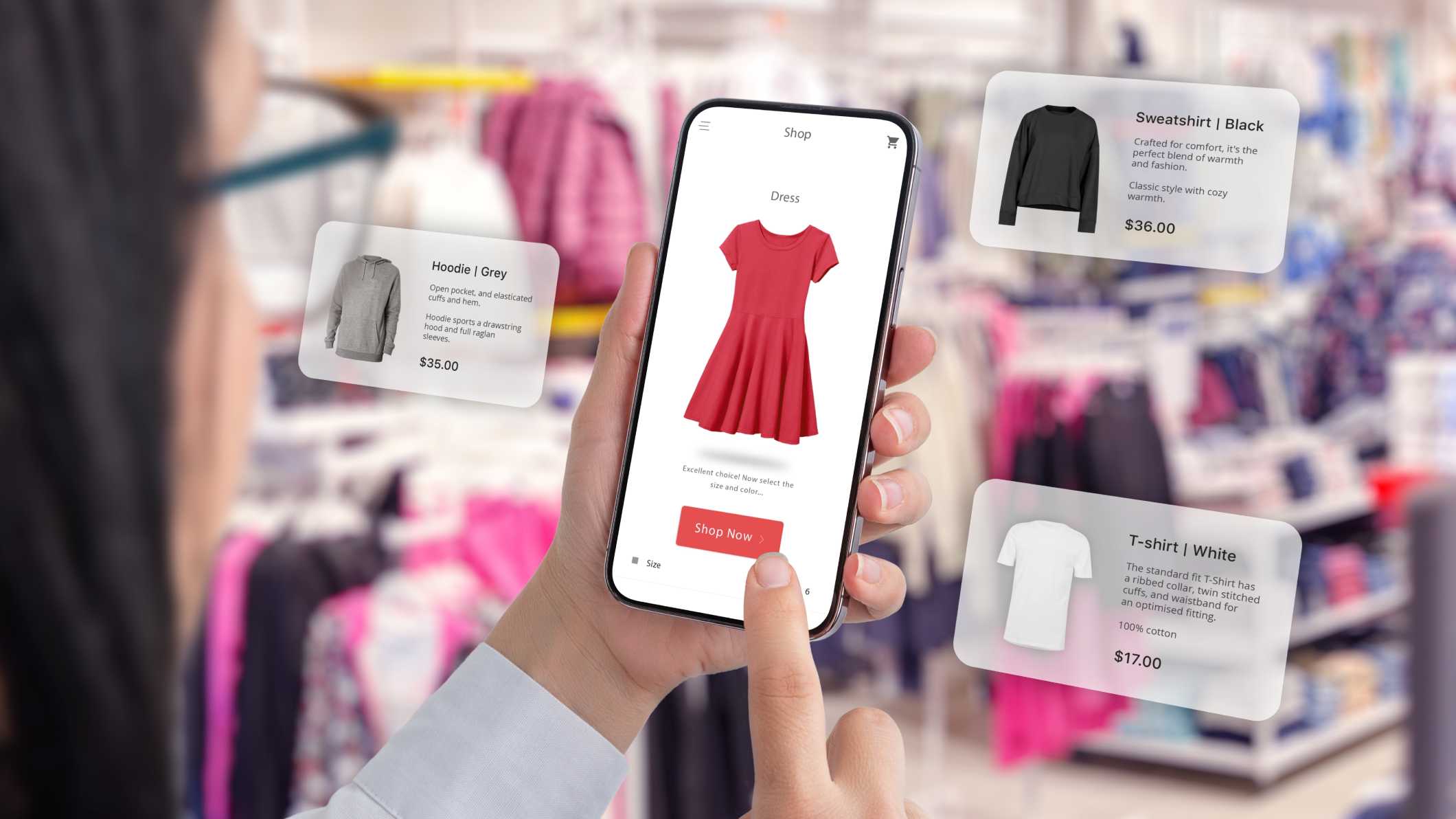
Brands that reach consumers only through traditional marketing are finding it harder to stay relevant. Shopping agents now play a role throughout the buying process, as consumers rely more and more on algorithm-driven decisions.
The role of data-powered shopping agents in modern marketing
AI shopping agents run on data: they access, analyze and interpret consumer preferences to curate personalized experiences. They draw on sources such as search history, social media activity and purchase patterns to make relevant product recommendations. This use of data is where shopping agents succeed and traditional marketing falls short.
Traditional marketing, by contrast, often relies on static demographic targeting. Campaigns aim at age groups or income levels based on general assumptions rather than individual data. As markets fill with options, consumers look for experiences tailored to their needs, and traditional efforts fail to respond.
As the trải nghiệm mua sắm becomes more digital, consumers are also more comfortable sharing personal data with AI systems. That comfort makes them more willing to use AI shopping agents, widening the gap between traditional marketing and modern consumer behavior. In an environment of constant technological change, traditional marketing can no longer assume it has consumers’ attention.
Real-world examples
Examples across sectors show the impact of AI shopping agents. Ecommerce companies such as Amazon use AI algorithms to suggest products based on previous purchases, creating a seamless shopping experience. Companies that rely only on traditional marketing risk lower engagement because they do not use what AI makes possible.
In travel, platforms such as Expedia use AI-driven tools to tailor travel options to user preferences — an individual experience that traditional ads cannot match.
Pricing is part of the same shift. When agents compare offers on data, price becomes one of the clearest signals they read. Businesses can use market research and competitive analysis to find an optimal price and adjust it as the market moves with định giá động — an approach traditional marketing cannot replicate.
Taken together, these examples suggest that traditional marketing alone does not work on AI. Shopping agents and pricing strategy improve effectiveness and help businesses build deeper connections with their customers.
Kết luận
Traditional marketing struggles because consumer habits are changing as AI shopping agents become part of how people buy. Brands that understand data-driven personalization, the limits of conventional advertising and the advantages of AI are better placed to stay effective in a fast-changing market. Since shopping agents weigh price alongside other data, tracking competitor prices and pricing from that data is part of adapting. On the tooling side, BlackAha.com lets you connect AI assistants such as Claude and ChatGPT through MCP, so sellers can work with their prices and competitor data from an AI chat.
Điểm chính cần nhớ
- AI shopping agents recommend products from data such as preferences, purchase history, reviews and price.
- Broad, one-size-fits-all campaigns lose effect when an agent filters options for each shopper.
- Traditional marketing struggles with personalization, short attention spans and falling trust in ads.
- Competitive, data-driven pricing matters more when agents compare offers for shoppers.
Câu hỏi thường gặp
What is an AI shopping agent?
An AI shopping agent is a system that helps consumers through the buying journey, using algorithms that analyze data such as search history and past purchases to recommend products.
Why does traditional marketing fail with AI shopping agents?
Traditional marketing sends the same message to a broad audience, while AI shopping agents personalize recommendations from individual data. Broad ads and brand messages therefore have less influence on what the agent suggests.
How should businesses adapt to AI shopping agents?
Focus on data-driven personalization and a competitive pricing strategy that you adjust as the market moves, rather than relying only on broad advertising campaigns.
Does BlackAha.com work with AI agents?
Yes. With AI Agent (MCP), you can connect Claude, ChatGPT or another MCP-compatible AI assistant to your workspace and work with your prices and competitor data from a chat.


 English
 ไทย
 Tiếng Việt
 한국어
 日本語
 简体中文
 Français
 Deutsch
 Русский
 Italiano
 Polski
 Español