









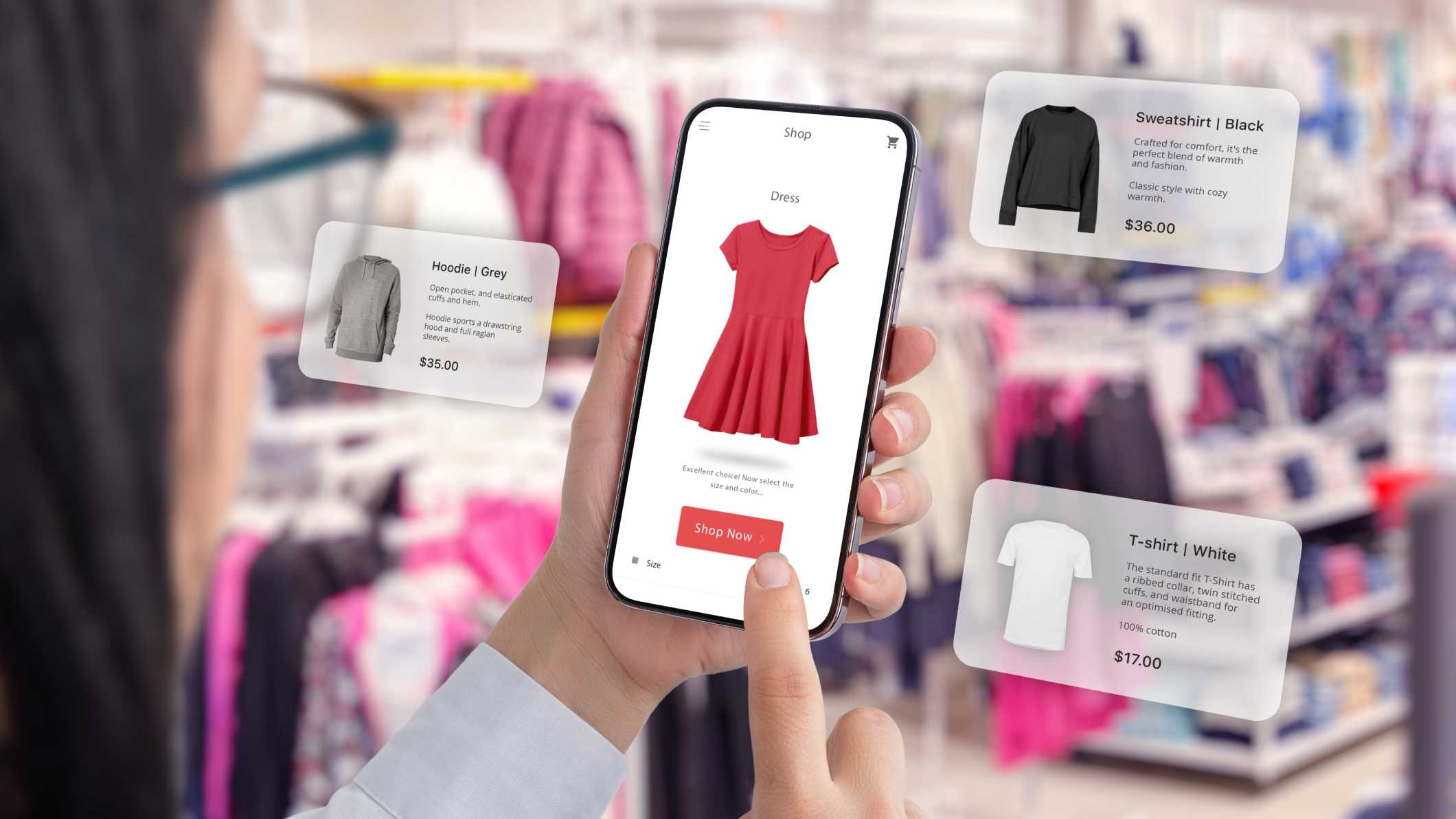
Traditional Marketing Doesn't Work on AI. Shopping agents and pricing strategies are considered key factors in achieving effectiveness. As technology advances, the landscape of marketing transforms, leaving traditional strategies less effective, particularly when it comes to engaging with artificial intelligence (AI) shopping agents. Businesses introducing offers and promotions that were once successful are finding themselves lost in a sea of automated choices, leading to questions about the viability of age-old marketing tactics. This article explores the factors influencing this shift and how AI is reshaping the market dynamics entirely.
Traditional Marketing Doesn't Work on AI. Shopping agents and pricing strategies are considered key factors in achieving effectiveness
The advent of AI shopping agents has revolutionized how consumers interact with brands and make purchasing decisions. Traditional marketing strategies that relied on direct consumer engagement, such as television commercials, newspaper ads, or even face-to-face sales pitches, no longer resonate in the same way. What was once deemed groundbreaking marketing is encountering challenges in the face of AI advancements. The increased use of shopping agents contributes significantly to this decline.
Understanding AI Shopping Agents and Their Impact on Consumer Behavior
AI shopping agents are sophisticated systems designed to assist consumers in their purchasing journey, employing algorithms that analyze vast amounts of data to tailor recommendations specific to user preferences. These agents can be found on various platforms, such as e-commerce websites and mobile apps, offering personalized shopping experiences. The shift toward AI-driven purchasing has led to a notable change in consumer behavior.
Traditionally, consumers relied on marketed content to guide their purchasing decisions. They would respond to advertisements, blogs, and storefront displays, believing that the brand's messaging aligned closely with their preferences. With the emergence of AI shopping agents, consumers are now inundated with tailored suggestions based on algorithms that interpret their previous interactions, search history, and even social media activities. Consequently, individuals become less reliant on traditional marketing messages.
As a result, the effectiveness of strategies based on awareness, consideration, and conversion is fading. Brands are faced with adapting to the new digital landscape, where consumers prioritize convenience and personalization over one-size-fits-all marketing campaigns.
The Limitations of Traditional Marketing in AI-Driven Commerce
While traditional marketing methods may yield results in specific markets or demographics, they are increasingly ineffective in the AI-driven commerce sector. The limitations of conventional advertising techniques become evident when considering:
- Lack of Personalization: Traditional marketing often presents the same messages to a broad audience without considering individual preferences or behavior patterns. In contrast, AI shopping agents offer personalized recommendations based on individual data, rendering traditional campaigns less relevant.
- Diminished Attention Span: As consumers are bombarded with information, their attention spans dwindle. Traditional marketing, characterized by lengthy ads or extensive product descriptions, cannot capture the rapid-fire engagement that digital platforms demand.
- Shift in Consumer Trust: Consumers have become particularly skeptical of traditional advertising, often viewing it as manipulative or insincere. They now place greater trust in AI-driven suggestions, influenced by their peers’ experiences, ratings, and reviews, resulting in a paradigm shift in how brands are perceived.
These limitations underscore why traditional marketing doesn't work on AI—it fails to adapt to the rapidly evolving landscape shaped by consumer expectations and technological advancements.
Research: Traditional Marketing Doesn't Work on AI. Shopping agents and pricing strategies are considered key factors in achieving effectiveness.
Research indicates that brands using traditional marketing methods to reach consumers are struggling to remain relevant. The landscape analysis highlights how shopping agents play a crucial role throughout the buying process, as consumers increasingly rely on algorithm-driven decisions.
The Role of Data-Powered Shopping Agents in Modern Marketing
AI shopping agents thrive on data—accessing, analyzing, and interpreting consumer preferences to curate personalized experiences. They aggregate data from various sources including search history, social media activity, and purchase patterns, leading to accurate product recommendations. It is through this powerful data utilization that shopping agents succeed where traditional marketing fails.
In stark contrast, traditional marketing often adheres to static demographic targeting. Campaigns might aim at specific age groups or income levels based on generalized assumptions rather than individualized data-driven insights. As the market becomes saturated with options, consumers seek tailored experiences that speak directly to their needs and preferences, leaving traditional efforts unresponsive.
Furthermore, in a world where the shopping experience is increasingly digital, consumers are becoming more comfortable sharing personal data with AI systems. This trust fosters a willingness to engage with AI shopping agents, further driving the disconnect between traditional marketing strategies and modern consumer behavior. An environment shaped by constant technological mutation, traditional marketing can no longer assume it has access to consumers' attention.
Case Studies and Real-World Examples
Case studies illustrate the profound impact of AI shopping agents across various sectors. For instance, e-commerce giants like Amazon leverage AI algorithms to suggest products based on previous purchases, resulting in increased sales through a seamless shopping experience. Companies using traditional marketing, on the other hand, witness diminished consumer engagement, as they fail to harness the potential brought forward by AI.
In the travel industry, platforms like Expedia use AI-driven agents to customize travel packages based on user preferences, providing individual experiences that traditional ads fail to achieve. Research has shown that businesses adopting AI shopping agents significantly outperform their competitors relying solely on conventional marketing.
Furthermore, brands that have integrated pricing strategies within their AI frameworks report increased consumer trust and loyalty. These strategies utilize comprehensive market research and competitive analysis to determine optimal pricing through real-time adjustments—an approach traditional marketing could never successfully emulate.
It's evident that the recherche suggests that traditional marketing doesn't work on AI. Not only do shopping agents and pricing strategies enhance effectiveness, but they also empower businesses to cultivate deeper connections with their customers.
Conclusion
In conclusion, the challenges facing traditional marketing methods stem from evolving consumer habits driven by the integration of AI shopping agents into purchasing behaviors. As brands grapple with the inadequacies of traditional strategies, understanding the significance of data-driven personalization, the limitations of conventional advertising, and the innovative advantages of AI can guide businesses toward improved effectiveness in this rapidly changing market landscape. The notion that traditional marketing doesn't work on AI, particularly regarding shopping agents and pricing strategies, highlights the imperative for companies to evolve and adapt to thrive in an increasingly digital world.
 English