
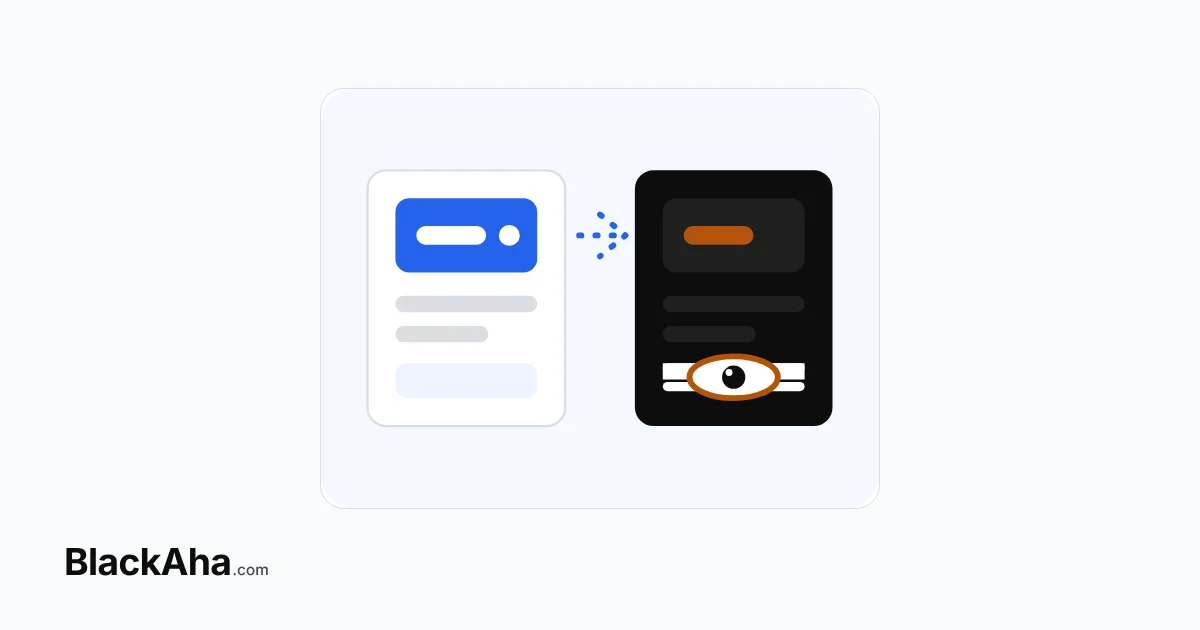
Is my store being price tracked? If rivals sell the same products, probably yes. Checking public prices is routine in ecommerce, and you rarely see who does it. What you can see is how rivals behave: how fast, how often and how closely their prices follow yours.
It is one of the more delicate questions sellers ask us. Picture a kitchenware store that raises the price of a coffee grinder one morning. By the afternoon, a rival has raised theirs too, and still sits exactly €1 below. Coincidence, or someone watching?
Is it normal for competitors to watch your prices?
Yes. Your prices are public. Any shopper can see them, and so can any rival. Some stores check competitors by hand, and others use price monitoring software. On many marketplaces, rival offers for the same product sit on one page.
So the useful question is not whether someone looks. It is whether a rival reacts to what it sees, and how. Our note on planning for rivals who watch your prices takes this further.
How price data may be collected depends on local law and on each website’s terms. This article does not cover that. If it matters to your business, ask a legal adviser.
Can you find out who is tracking your store?
Usually not with any certainty. A visit from a rival, a tool or a shopper can look the same. Hunting for the watcher takes time and rarely gives a clear answer.
Rival prices, on the other hand, are public and easy to record. They tell you who reacts to you. That is what affects your sales, so it is the better thing to watch.
Which signs suggest your store is being price tracked?
One matching move proves little. A pattern over several changes says much more. Check these signs product by product:
- Fast reactions. Their price changes within hours of yours, again and again.
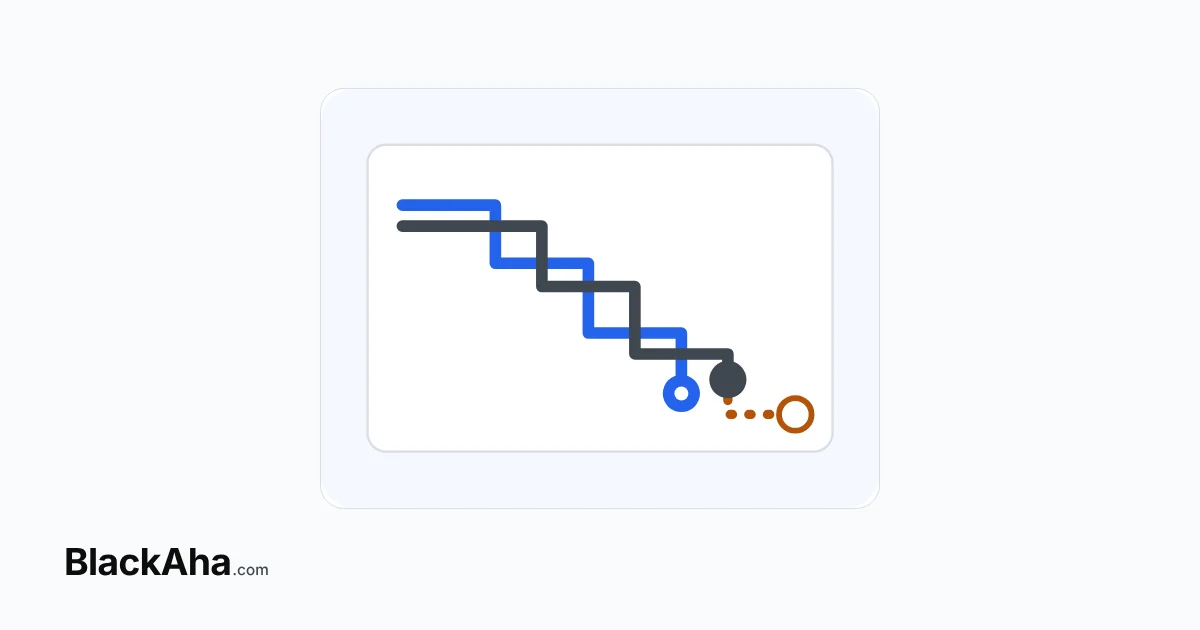
- A fixed gap. They stay the same amount or percentage away from you, such as always €1 below.
- They follow raises too. A matching cut can be a sale or chance. Following your price rises is a stronger sign.
- Only shared products move. Products you both sell change. The rest of their range stays still.
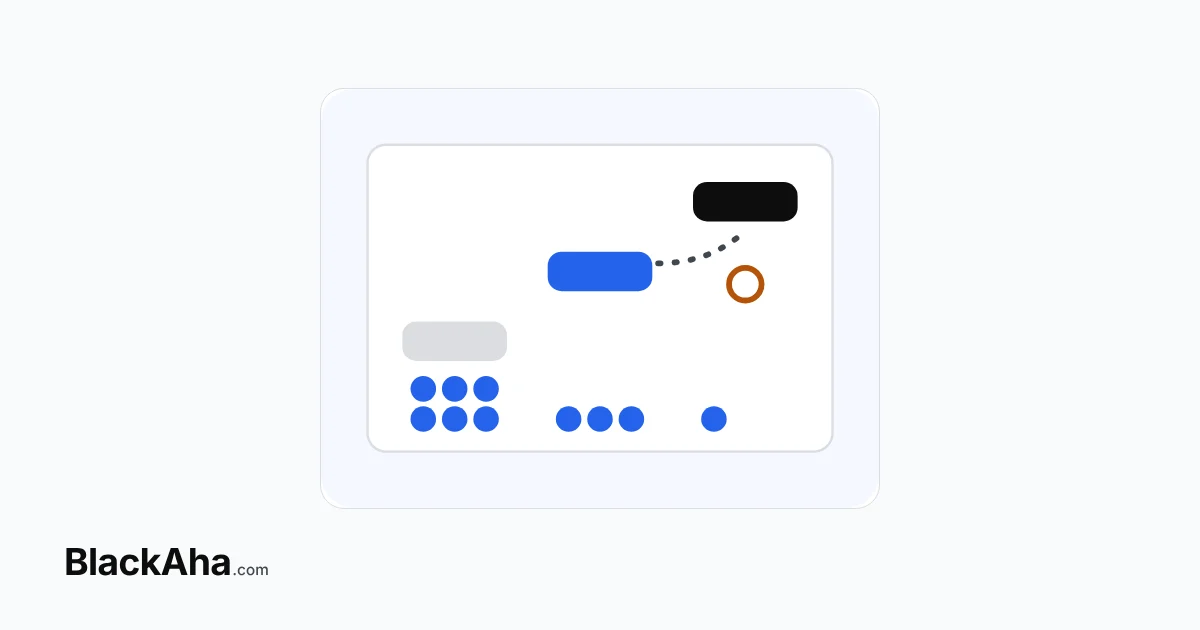
- Regular timing. Their changes land at similar times of day, which hints at scheduled checks.
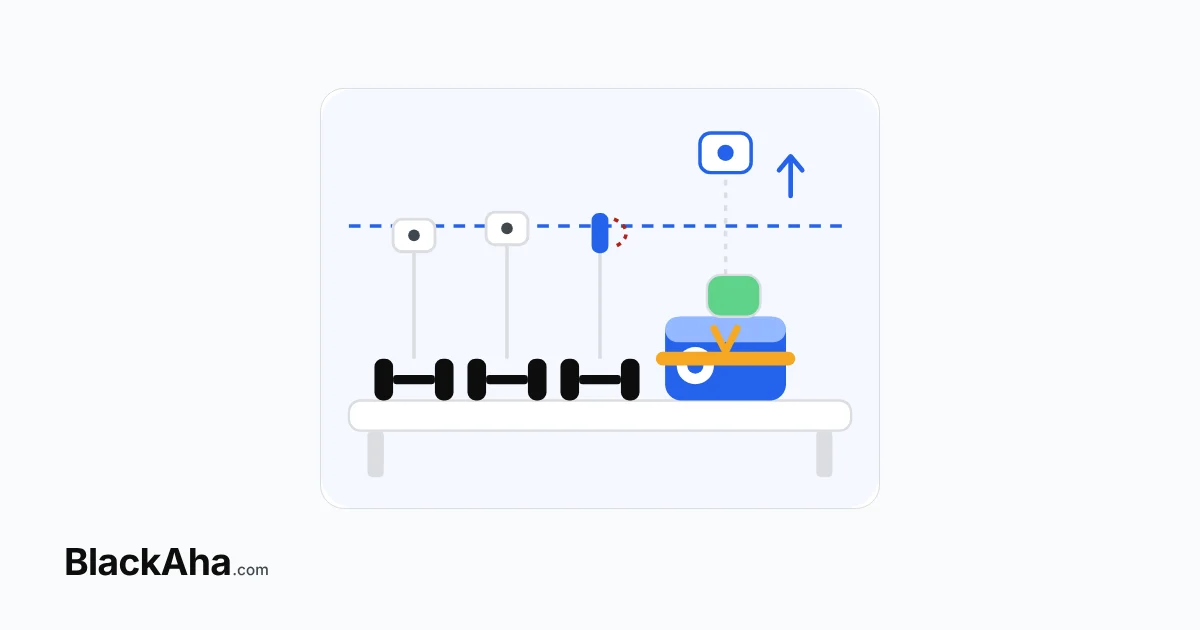
The shape of the pattern also tells you what the rival is doing. A rival that always lands just below you is squeezing you. One that copies you with a delay is trailing you. One that stays a little above you is using your price as its anchor.
A worked example
The figures are illustrative, in EUR, for example only. The grinder sells for €80, and the rival sits at €79. On day 2 you raise it to €84. Within hours the rival moves to €83. On day 5 you cut to €82, and the rival drops to €81 the same day.
Two moves, two quick replies, and the same €1 gap in both directions. The raise matters most. Few stores raise a price at the same hour by chance.
How can you check whether a rival reacts to you?
Run a small, planned test instead of guessing. Change the price of one product you both sell, by a small amount. Watch the rival’s price for a set window, such as 48 hours, and note when and how it moves. Repeat once before you draw a conclusion. Our guide to testing whether rivals react to a price change sets out the steps.
What should you do if a rival is following you?
Plan for it rather than fight it. A follower turns each of your price moves into information. So choose moves that still help you after the rival copies them.
- Do not race to the bottom. If a rival always lands €1 below, each cut only lowers both prices. That is how a price war starts. Set a price floor first.
- Compete where a copy takes longer. Stock, delivery speed, bundles and service cannot be matched in an afternoon.
- Choose how often you move. Fewer, planned changes can beat many small ones. See our guide on how often to change prices when rivals react.
- Plan moves as a set. Our guide to planning price moves in an open market covers which moves give away the least.
How BlackAha helps
BlackAha.com tracks competitor prices for online stores. It cannot tell you who is watching your store. It can show you, product by product, which rivals react to your prices.
- Price Tracking records each rival’s price and stock status, automatically.
- Price Change Alerts tell you when a rival raises or lowers a price, by email, Slack, Telegram, WhatsApp or Lark.
- Unlimited Price History and Price Comparison Charts show whether a rival’s price line follows yours, and how long it takes.
- Domain Strength scores the follower from 0 to 100, so you know whether its moves can reach your buyers.
Key takeaways
- If rivals sell what you sell, assume your public prices are being watched. That is normal.
- You can rarely tell who is watching. You can tell who reacts.
- Look for patterns over several moves: fast reactions, a fixed gap, and raises followed as well as cuts.
- Answer a follower with a price floor, planned moves and advantages that take longer to copy.
Frequently asked questions
Is it legal for competitors to track my prices?
Rules differ by country and by website terms, so there is no single answer. Prices shown to the public can be seen by anyone, rivals included. Ask a legal adviser about your own case.
How quickly do rivals react to a price change?
It varies. A rival that checks by hand may take days, while automated tools can react within hours. Watch your own rivals over several changes before you judge.
Should I stop changing prices if a rival copies me?
No. Change them with a plan: set a price floor, make fewer and better-timed moves, and compete on stock, delivery and service.
Can BlackAha tell me who is tracking my store?
No. BlackAha tracks competitor prices. With price history, charts and alerts, it shows which rivals react to your price changes.
Pick one product you share with your closest rival, and watch its price over your next two changes. You can try BlackAha to track it for you.
 English
 ไทย
 Tiếng Việt
 한국어
 日本語
 简体中文
 Français
 Deutsch
 Русский
 Italiano
 Polski
 Español