
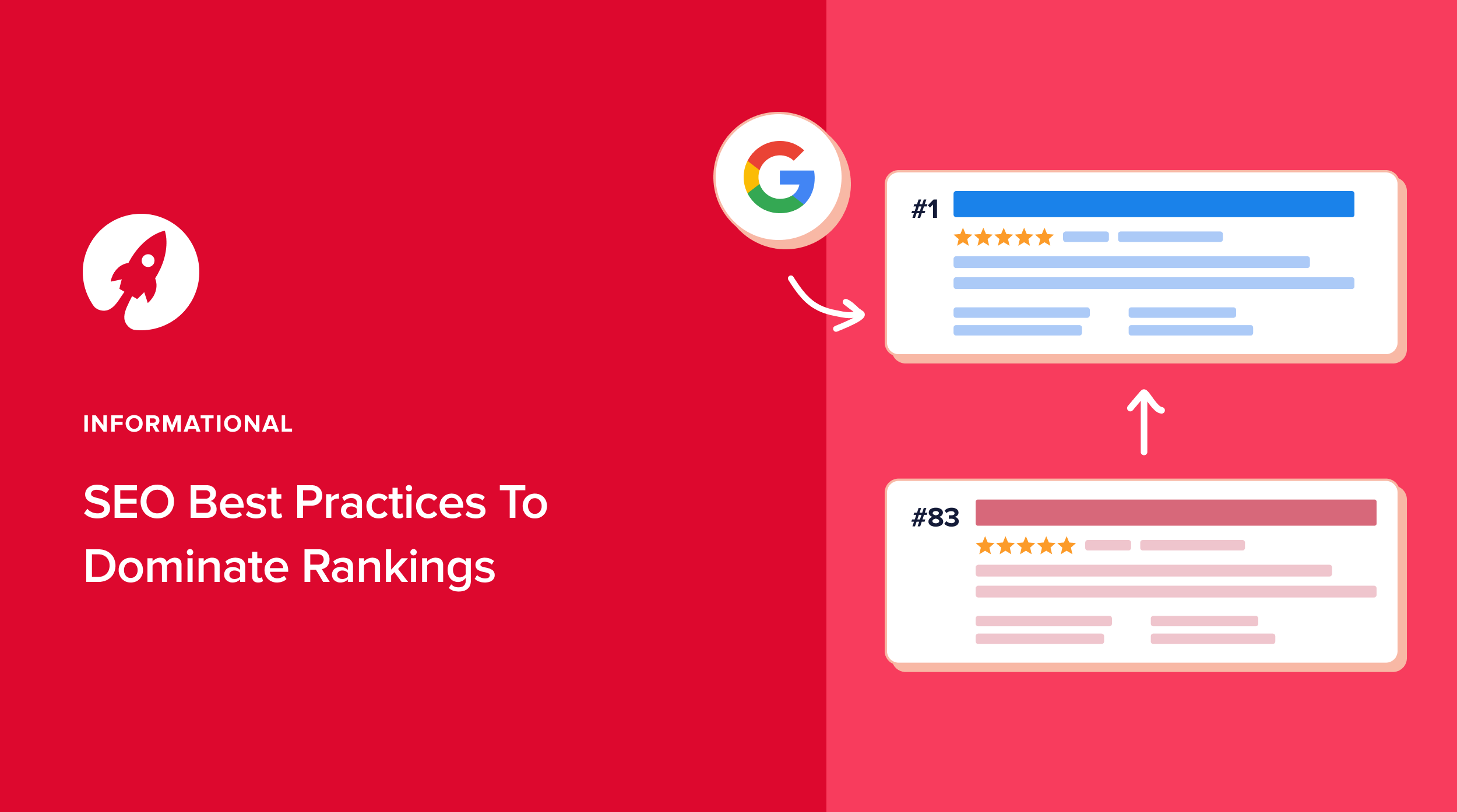
To improve product category SEO with price competition data, track competitor prices in your category, then reflect your genuine price position in page titles, meta descriptions and Product/Offer schema markup, and keep all three accurate as prices change.
In a highly competitive online marketplace, optimizing category pages with price competition data (title, meta, schema) helps ecommerce stores stand out. Integrating price insights into your SEO strategy can improve visibility, attract targeted traffic and increase conversions. This guide explains how to do it step by step.
Why does price competition data matter for SEO?

Embracing the power of price competition data in SEO is no longer optional; it’s a strategic imperative. When the right data informs your SEO efforts, you can better align your product listings with what consumers are actively searching for and comparing. This not only improves ranking potential but also positions your products as compelling options that speak directly to the value-conscious shopper.
Furthermore, integrating price data into your SEO illuminates opportunities to differentiate your offerings from competitors. You gain insights that enable you to craft more accurate, appealing titles, meta descriptions, and schema markups, all fine-tuned to reflect price competitiveness. As a result, your product listings become more attractive, persuasive, and more aligned with customer expectations, which is essential for dominating search engine results in crowded marketplaces.
The Role of Price Data in Search Rankings
Price matters most in search when shoppers prioritize affordability or value for money. Search engines aim to deliver relevant, high-quality results that match user intent, and in ecommerce price is often part of that intent. Clear, accurate price information helps your pages match price-sensitive, location-specific or comparison queries.
Moreover, search engines like Google utilize rich snippets and schema markups to display product prices directly in search results. This not only enhances visibility but also improves click-through rates by providing transparent, immediate pricing information. That is why price-aware titles, meta descriptions and schema can lift organic visibility and traffic.
Benefits of Incorporating Price Insights into SEO Strategies
Integrating price insights offers multiple benefits: it helps you craft compelling titles and descriptions that resonate with consumers, highlights your competitive advantages, and allows for dynamic adjustments based on market trends. When your SEO strategy is aligned with current price competition data, your product listings remain relevant and persuasive amidst fluctuating market conditions.
Beyond visibility, this approach enhances the user experience by providing transparent, value-focused information upfront, reducing bounce rates, and increasing conversions. It also supports strategic pricing decisions, allowing your marketing messages to reflect actual market positioning. Ultimately, this comprehensive approach helps establish your brand as an affordable, trustworthy choice while safeguarding and even boosting your search engine rankings.
Challenges and Considerations When Using Price Data
While potent, leveraging price data in SEO comes with challenges. Price fluctuations require continuous monitoring, and the risk of appearing inconsistent if updates aren’t timely. There’s also the danger of overemphasizing price, which might undermine perceived quality or brand value. Additionally, search engines penalize manipulative or misleading schema markup, so transparency and accuracy are paramount.
Careful consideration should be given to ethical practices—never manipulate price data to deceive users or violate search engine guidelines. Data accuracy, regular updates, and adherence to best practices are essential to avoid penalties and maintain trustworthiness. The key lies in balancing competitive pricing strategies with integrity and consistency to sustain long-term SEO success.
How do you gather and analyze price competition data?
Success in utilizing price competition data hinges on thorough research and insightful analysis. Gathering accurate, timely information on your competitors’ pricing strategies enables you to make informed decisions that directly impact your SEO efforts. This data-driven approach ensures your product listings are aligned with market realities and customer expectations.
Analyzing data effectively reveals patterns, gaps, and opportunities that can be exploited for competitive advantage. Whether through manual research or dedicated tools, understanding the nuances of competitor pricing lets you write titles based on price data that resonate with your audience and with search engines alike.
Identifying Key Competitors and Market Benchmarks
The first step toward effective price data analysis involves identifying your primary competitors and understanding their market position. This requires a combination of manual browsing, keyword research, and analysis of marketplaces such as Amazon, Google Shopping, or industry-specific platforms; Competitor Discovery tools can also search the web for rival pages that sell your products. Recognizing direct competitors and those occupying similar price bands provides a clearer picture of the competitive landscape.
Establishing market benchmarks means understanding the average, highest, and lowest prices within your category. This helps you determine the baseline for your pricing, identify premium or discount segments, and spot opportunities where your product can be positioned as more appealing or value-driven. These insights are the foundation for your title, meta and schema adjustments.
Tools and Methods for Collecting Price Data
Collecting reliable price data requires the right combination of tools and methodologies. Automated monitoring cen, web scraping tools and marketplace API integrations enable frequent or scheduled data gathering. These tools can track competitor prices, offer trends, and alert you to fluctuations that might impact your SEO and pricing strategies.
Apart from automated tools, manual research remains valuable for verifying data accuracy, especially for niche or less accessible markets. Combining qualitative insights, such as customer reviews, with quantitative price data adds depth to your analysis. When you leverage these methods, your understanding of market dynamics becomes more nuanced, making your category SEO work more effective.
Analyzing Price Trends and Competitor Pricing Strategies
Once you have collected sufficient data, the next step involves analyzing trends and strategies. Look for patterns such as seasonal pricing, promotional discounts, or premium pricing for perceived quality. Recognizing these trends informs when to adjust your own prices or update meta and schema data to reflect current market conditions.
Successful analysis should also include a review of your competitors’ messaging and positioning strategies. Are they using pricing signals in their titles or descriptions? Do their schema markups highlight discounts or exclusive offers? Understanding these tactics lets you craft title, meta and schema optimizations that emphasize your competitive advantages, ensuring your product listings stay relevant and compelling.
Interpreting Data to Discover Opportunities and Gaps
Data interpretation involves translating raw numbers into actionable insights. Look for gaps in pricing that can be exploited—perhaps a segment where prices are inflated, creating an opening for more attractive options. Conversely, identify oversaturated price points where competition is fierce, and consider differentiation through value propositions or unique messaging.
This analysis also guides category SEO by highlighting where to focus keyword targeting, how to position your prices and messaging, and where schema markups can be most effective in attracting users. Continuous interpretation of price data helps you stay agile, ensuring your SEO strategies adapt to evolving market conditions and consumer preferences.
How should price data shape product and category titles?
Your product titles are the first impression for search engines and potential buyers. Including price signals clearly and coherently in your titles can improve visibility and click-through rates, and makes your listings more relevant, attractive and competitive.
Effective title strategies balance keyword relevance with compelling price-related messaging. This synergy ensures your listings not only rank well but also appeal to price-sensitive consumers seeking the best deal, helping to drive qualified traffic and conversions.
Incorporating Competitive Pricing Signals into Titles
Embedding competitive pricing cues into titles can immediately signal value to prospective buyers. For example, phrases like “Affordable,” “Best Price,” or “Discounted” positioned alongside core product keywords can improve relevance in search results, especially when aligned with actual market pricing.
However, it’s essential to maintain authenticity and clarity. Overuse or misleading language can harm your brand reputation and potentially attract penalties. Done correctly, price signals in titles raise your product’s search appeal.
Balancing Keyword Optimization and Price Messaging
While keywords drive search ranking, the inclusion of price messaging adds an extra layer of relevance. Find a harmonious balance where pricing cues do not dilute the primary keywords but enhance their appeal. For instance, pairing “Eco-Friendly Water Bottle” with “Best Price” or “Affordable Choice” creates an engaging, informative headline that appeals both to SEO algorithms and consumer preferences.
A subtle integration ensures your titles remain clear and focused, avoiding keyword stuffing or ambiguous phrasing. This balance is central to a category SEO approach that leverages price data effectively and transparently.
Examples of Price-Informed Title Optimization
Consider titles that reflect real price insights, such as “Luxury Hiking Boots – Save Today” or “Affordable Wireless Earbuds with Free Shipping.” These titles highlight price advantages while maintaining keyword relevance, making listings more compelling in search results.
Using such strategies requires continuous monitoring of market pricing trends. When your titles reflect real competitive dynamics, your listings stay relevant, and attract clicks.
Avoiding Over-Optimization and Ensuring Clarity
Over-optimizing titles with aggressive price claims can backfire, risking penalties or customer distrust. Clarity and honesty are vital; exaggerating savings or misleading consumers damages credibility and violates search engine guidelines.
Strive to be transparent and precise—use accurate price references and avoid manipulative language. This approach fosters trust, enhances customer experience, and keeps your category SEO compliant while still leveraging price signals to attract informed, ready-to-buy shoppers.
How do you write meta descriptions that reflect price competitiveness?
Meta descriptions serve as the persuasive snippet that entices users to click on your link. When optimized to reflect price competitiveness, they become powerful tools to position your products as the best value options directly in search results. Crafting compelling, price-focused meta descriptions amplifies your SEO strategy based on market data and consumer intent.
By emphasizing unique selling points and incorporating calls to action rooted in pricing advantages, meta descriptions can improve CTR and drive high-quality traffic. Continuous A/B testing of these snippets helps you refine the messaging over time.
Writing Compelling, Price-Focused Meta Descriptions
Your meta descriptions should complement your titles by elaborating on the value proposition. Highlight competitive features such as exclusive discounts, free shipping offers, or better pricing compared to rivals. For example, “Get premium wireless earbuds for less than at competing stores, limited-time offer!”, provided your price data confirms it.
Using persuasive language alongside strategic keywords improves visibility and persuades users that your product offers the most attractive deal. When your meta descriptions clearly articulate the price benefits supported by competitive data, your visibility in SERPs increases among budget-conscious shoppers.
Highlighting Unique Selling Points and Price Advantages
Incorporate specific advantages, such as “Lowest Price Guarantee,” “Special Seasonal Discounts,” or “Bulk Purchase Savings,” into your meta descriptions. Such details demonstrate your offerings’ affordability and value, as long as they are true. A price matching promise, for example, needs terms you can actually honor.
Effectively communicating your price advantages encourages users to choose your listing over competitors, fostering trust and boosting click-through rates. The key lies in being truthful, relevant, and clear to avoid misleading consumers or damaging your reputation.
Leveraging Call-to-Actions that Emphasize Pricing
Calls to action like “Shop Now for Best Prices,” “Compare and Save,” or “Limited-Time Price Cuts” motivate users to act immediately. These CTAs, paired with strategic pricing information, create urgency and convey value, increasing the likelihood of conversions.
Testing different CTA formulations through A/B experiments allows you to discover what resonates best with your audience. Consistently refreshing your meta descriptions based on evolving price data keeps your category SEO competitive.
A/B Testing Meta Descriptions for Best Performance
Regular testing of meta description variants helps identify language, offers, and price points that generate the highest engagement. Track metrics such as click-through rate (CTR), bounce rate, and conversion rate to determine the most effective messaging.
Adjustments based on performance data sharpen your approach. Over time, this iterative process refines your approach, ensuring your meta descriptions continuously attract the right audience with compelling, price-optimized content.
Which schema markup makes prices visible in search?
Structured data and schema markup significantly impact how your product data appears in search results. When properly implemented, they enable rich snippets and price visibility enhancements that draw attention and improve CTR. Focusing on Product and Offer schema keeps your product information aligned with current pricing data.
Effective schema implementation boosts your visibility with search engines and enhances user trust by presenting accurate, transparent pricing and availability data directly in search snippets. Maintaining schema accuracy and monitoring performance are essential to sustain these benefits.
Types of Schema Markup Relevant to Pricing (Product, Offer)
Primary schema types for price visibility include the “Product” schema, which describes the product details, and the “Offer” schema, which highlights pricing, discounts, and availability. Proper use of these schemas enables search engines to display prices prominently in search results, often as rich snippets.
Additional schemas, like “AggregateRating” and “Review,” can complement pricing info to bolster credibility and attractiveness, especially when aligned with your pricing strategies. Comprehensive, accurate schema markup improves how your pages appear in search.
Best Practices for Schema Implementation
Implementing schema markup should follow best practices: ensure markup accurately reflects current pricing, avoid markup errors, and validate using tools like Google’s Rich Results Test. Dynamic schema updates are necessary to reflect any changes in prices, discounts, or stock status, maintaining integrity and relevance.
Use JSON-LD format for easy integration and compatibility across platforms. Proper implementation helps rich snippets display and makes your listings more appealing in crowded search results.
Enhancing Search Results with Rich Snippets
Rich snippets increase visibility by showcasing product ratings, prices, reviews, and availability directly in SERPs. This enhanced presentation attracts more clicks and differentiates your listings from competitors. Built on structured data, rich snippets effectively communicate your prices and value propositions upfront.
Monitoring snippets’ performance and consistency ensures that your structured data remains accurate and aligned with your actual product catalog. By proactively managing your schema markups, you get the most from price visibility in organic search.
Monitoring and Maintaining Schema Accuracy
Regular audits of your schema markup are essential, especially for eCommerce sites with frequent price changes. Automation tools and schema validation services help detect errors or outdated information promptly. Accurate schema markup not only improves ranking potential but also maintains user trust.
Invest in ongoing schema management, incorporating market changes and updating prices in your structured data accordingly. Well-maintained Product and Offer markup helps your listings stand out in competitive search results.
How do you integrate price insights into your wider SEO and content strategy?
Your SEO approach should be holistic, incorporating price data insights into every aspect of your site’s optimization efforts. On-page elements, content, navigation, and internal linking should reflect your competitive positioning, making your marketplace more attractive and easier to navigate for users and search engines alike.
Aligning your content strategy with current pricing insights reinforces your value proposition and draws in the right audiences, giving your search presence a consistent foundation.
Aligning On-Page Elements with Competitive Pricing
Ensure your product descriptions, headings, image alt texts, and annotations reflect your pricing strategy. Incorporate keywords that emphasize affordability or value, backed by your actual indeks cen against the market. This alignment improves relevancy for searchers seeking the best deal.
When on-page SEO matches your price data, your listings become more compelling and authoritative. Clear pricing signals embedded seamlessly within on-page elements enhance their influence on rankings and user perception.
Creating Content that Supports Price Positioning
Develop blog posts, guides, comparison charts, and FAQs that highlight your pricing edge. Content that educates consumers about why your prices are competitive can boost organic reach and reinforce your value proposition in search results.
Strategically crafted content also creates additional opportunities to target price-related keywords, such as comparisons and deal guides. Providing helpful, authoritative information about market pricing trends and saving tips can foster trust and incentivize conversions.
Adjusting Internal Linking and Navigation for Price Visibility
Optimize website structure to spotlight time-sensitive deals, discounts, and competitive offers. Internal links guiding users to price-focused content or special promotion pages improve user flow and help search engines understand your pricing priorities.
These structural adjustments bring your pricing insights into every layer of your site’s architecture. This creates a cohesive experience that draws users toward competitively priced products at the right moment.
Tracking Performance Metrics and Refining Strategies
Use analytics to monitor how price-driven optimizations influence traffic, rankings, and conversions. Key metrics like organic search positions, click-through rates, and bounce rates reveal how well your price-based changes work.
Regularly review and refine your strategies based on data. As market prices evolve, so should your SEO approach, so your listings stay competitive in search results.
What ethical rules apply to price-based SEO?
While pursuing aggressive SEO strategies rooted in price competition data, uphold ethical standards and compliance. Transparency, honesty, and fairness are critical to maintaining consumer trust and avoiding penalties.
Be cautious not to manipulate pricing or schema to deceive search engines or consumers. Always keep your titles, meta descriptions and schema truthful and compliant with search engine guidelines. Staying current with evolving policies and best practices safeguards your reputation and long-term success.
Maintaining Transparency and Fair Pricing
Communicate your pricing strategies clearly without exaggeration or deception. Use accurate, up-to-date data in your schema markups and meta tags. Transparency builds trust, encourages repeat business, and aligns with ethical SEO practices.
Your commitment to fair pricing also minimizes the risk of penalties or lawsuits. Incorporate your price data ethically, ensuring your listings reflect genuine market positions, and avoid misleading claims that could harm your brand.
Avoiding Price Manipulation Tactics That Could Harm SEO
Techniques such as deceitful schema markup, misleading discounts, or hidden pricing can lead to search engine penalties and damage your reputation. Focus instead on genuine competitive advantages, vetted by accurate data and transparent messaging.
Maintain integrity in how you showcase prices, and prioritize user experience and consumer rights over short-term gains. These practices make price-based SEO trustworthy and sustainable for both your business and your customers.
Staying Compliant with Search Engine Guidelines
Always adhere to the latest guidelines from search engines like Google, especially concerning structured data and rich snippets. Regularly review policies and updates to ensure your category SEO practices remain compliant.
Proactively adapt your schema markup, titles, and meta descriptions to reflect honest, market-competitive prices. Doing so preserves your search rankings and maintains a positive brand image, emphasizing your commitment to ethical, consumer-first SEO.
Continually Updating Price Data and SEO Elements
Regularly refresh your pricing information across all SEO elements—titles, meta descriptions, schemas—to reflect current market realities. Automate data updates whenever possible; Price Change Alerts tell you when a competitor moves so you know which pages to refresh.
Consistent updates keep your strategy effective, ensuring your product listings are competitive, trustworthy, and highly visible in search results. This ongoing process is vital for maintaining a strong, compliant, and successful online presence.
Conclusion
Integrating price competition data into your product category SEO strategies profoundly influences your visibility, credibility, and competitiveness in digital marketplaces. By optimizing titles, meta descriptions and schema with price competition data, you craft a cohesive, data-driven approach that balances keyword relevance, value messaging, and technical excellence. From gathering insights on competitors to fine-tuning titles, meta descriptions, and schema markup, every aspect plays a crucial role in positioning your products as attractive, trustworthy, and highly ranked options. As markets continue to evolve, so too must your strategies—embracing transparency, accuracy, and continuous refinement—to sustain and enhance your organic reach, attract motivated buyers and compete strongly in search results for your niche.
Kluczowe wnioski
- Start by tracking competitor prices and setting benchmarks (average, highest and lowest prices) for each category.
- Use genuine price signals in titles and meta descriptions, balanced with core keywords and never exaggerated.
- Mark up prices with Product and Offer schema in JSON-LD, validate it, and update it whenever prices or stock change.
- Carry your price position into on-page content, internal links and navigation, then measure CTR, rankings and conversions.
- Stay transparent: misleading discounts or schema can lead to penalties and lost trust.
Najczęściej zadawane pytania
Which schema types show product prices in search results?
The Product schema describes the item and the Offer schema carries its price, discounts and availability. AggregateRating and Review can complement them; use JSON-LD and validate with Google’s Rich Results Test.
Should I put price claims like “Best Price” in product titles?
Only when your competitor price data supports them. Pair price cues with core keywords, avoid keyword stuffing, and never exaggerate savings, which can damage trust and break search engine guidelines.
How often should price data in titles, meta and schema be updated?
Whenever prices, discounts or stock status change. Regular audits and automated updates keep these elements accurate, which protects rankings and user trust.
How can BlackAha help with price competition data?
BlackAha tracks competitor product pages automatically, records every price change and stock status, and compares your prices with the market through a price index, so the price claims on your category pages stay grounded in current data.
 English
 ไทย
 Tiếng Việt
 한국어
 日本語
 简体中文
 Français
 Deutsch
 Русский
 Italiano
 Polski
 Español