
A real-time competitive intelligence system continuously monitors competitor prices, stock levels and demand signals, then uses automation and AI to turn that stream into timely recommendations, so manufacturers act on market changes as they happen instead of weeks later.
Manufacturing firms can no longer rely only on outdated reports or snapshots of the market. Moving from reactive methods to systems that deliver real-time data changes how decisions are made: these systems are not just about tracking numbers, they help manufacturers anticipate market shifts, respond quickly to competitors’ moves and optimize operations proactively.
The phrase “beyond dashboards and static reports” captures this evolution: a move away from passive data presentation toward dynamic, predictive and actionable insights. Advances in automation, AI and integrated data streams make it possible, but success depends on understanding the core components, the strategic benefits and what implementation requires.
Why are static reports and dashboards no longer enough in manufacturing?
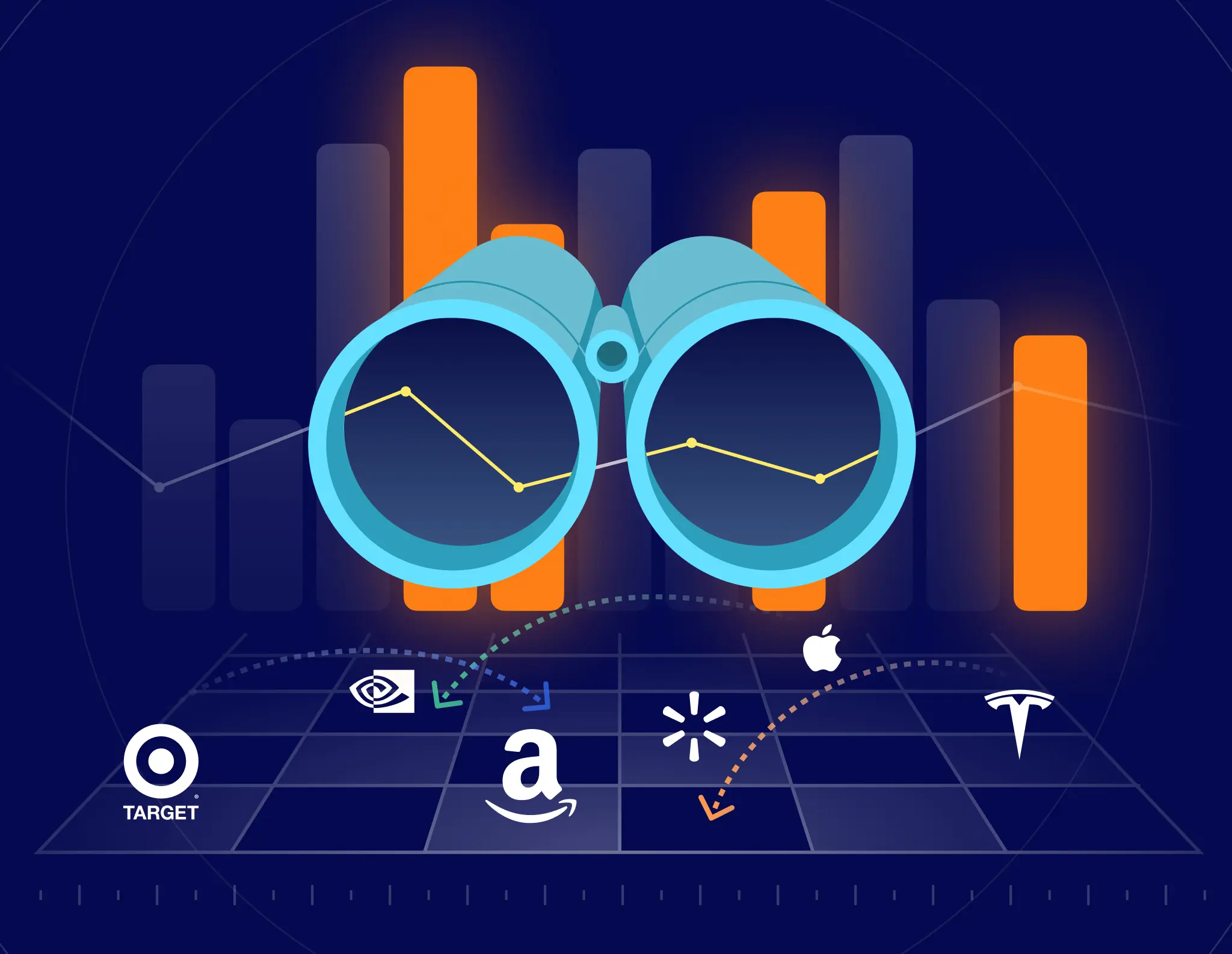
In traditional manufacturing environments, data collection meant static reports generated monthly, quarterly or annually. They rely on historical data and show past performance rather than current market reality. Static reports provide useful context, but they are reactive by nature: by the time insights are analyzed and shared, market conditions may have shifted, making decisions based on them less effective or even obsolete.
Dashboards are more interactive, but many still depend on manual updates and periodic data refreshes, which leaves a lag between data collection and action. Imagine a sudden competitor price drop or a supply chain disruption: static reports and periodic dashboards may miss these movements until it is too late to respond efficiently. Real-time competitive intelligence systems close that gap by monitoring, analyzing and acting on data as it unfolds.
These systems rest on three pillars: continuous monitoring, automation and artificial intelligence. Continuous monitoring tracks pricing, inventory levels, demand signals and market trends as they change. Automation and AI remove manual data processing and surface patterns and predictive insights that traditional methods miss. Instead of raw data overload, the result is targeted, actionable recommendations that help manufacturers anticipate demand and respond to market challenges faster.
What are the core components of a real-time competitive intelligence system?
1. Continuous monitoring
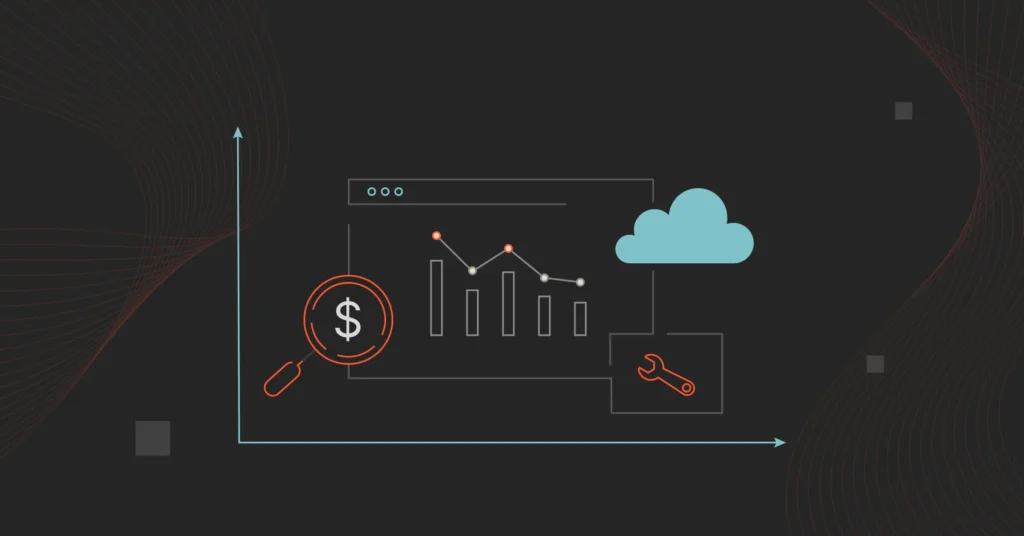
Continuous monitoring tracks competitor prices, inventory status and demand signals at a granular level, using live data feeds from market sources, ecommerce platforms and even social media. For online catalogs, automated competitor price tracking records every price change and stock status, so firms can react to a competitor’s promotion or a shift in customer preference within hours rather than days or weeks.
2. Automation and AI
AI-driven algorithms analyze large volumes of data quickly and flag patterns or anomalies that human analysts might overlook. Predictive analytics forecast market movements, allowing proactive adjustments to pricing, production or supply chain decisions. Machine learning models learn from ongoing data streams and refine their accuracy over time, weighing variables such as regional pricing differences, supply chain disruptions and demand fluctuations.
3. Actionable outputs
The third component turns insight into action: clear views that highlight anomalies or opportunities and recommend adjustments, backed by alerts when competitors change their prices。 If unexpected competitor pricing activity is detected, a manufacturer can adjust its own pricing or step up marketing right away. Together, these components let manufacturers move from observing market trends to actively shaping them.
What benefits do manufacturers get from real-time intelligence?
One clear benefit is responsive pricing: firms can react quickly to competitors’ promotional cuts or product launches, protecting market share and revenue. Where margins are thin and customer loyalty is fickle, that agility can decide whether a business thrives or fades. Rule-based ダイナミックプライシング is one way to turn competitor price signals into price updates without manual work.
These systems also support a proactive approach to demand fluctuations. By spotting trends and signals early, manufacturers can fine-tune production schedules, optimize inventory levels and reduce waste. Visibility into regional pricing differences and supply chain variables further improves decisions, helping companies allocate resources, negotiate with suppliers or explore new markets with confidence.
What does successful implementation require?
Realizing these benefits takes more than adopting technology; it calls for a cultural shift. Teams across sales, marketing and operations need to be empowered to act on the insights they receive. Resistance to change or siloed decision-making reduces the value of real-time systems. Integrated into operational workflows and backed by strategic leadership, they become a cornerstone of modern industrial competitiveness rather than a luxury tool.
結論
Real-time competitive intelligence systems are the next step in manufacturing intelligence. Moving beyond static reports and periodic dashboards, they combine continuous monitoring, AI and automation to deliver timely, actionable insights that help firms respond to market changes, optimize operations and stay ahead of competitors. Success depends on building them into culture and workflows, turning reactive decision-making into proactive strategy. As industries digitize and global competition intensifies, real-time intelligence will increasingly separate the companies that thrive from those that struggle to stay relevant.
要点
- Static reports and periodically refreshed dashboards lag behind the market; real-time systems monitor and analyze data as it unfolds.
- The core components are continuous monitoring, automation and AI, and outputs that recommend concrete actions.
- Key benefits are responsive pricing and a proactive approach to demand, production and inventory.
- Technology alone is not enough: teams need the culture and workflows to act on insights quickly.
よくある質問
How is a real-time competitive intelligence system different from a dashboard?
Many dashboards depend on manual updates and periodic refreshes, so there is a lag between data and action. A real-time system monitors data continuously and uses automation and AI to flag changes and recommend responses as they happen.
What data does a real-time competitive intelligence system track?
Typically competitor prices, inventory and stock status, demand signals and market trends, drawn from market sources, ecommerce platforms and social media channels.
Why does company culture matter when adopting real-time intelligence?
Insights only create value when teams act on them. Siloed decision-making or resistance to change can cancel out the speed advantage, so sales, marketing and operations need to be empowered to respond quickly.
Can BlackAha help with real-time competitor price monitoring?
Yes. BlackAha checks competitor product pages automatically, records every price change and stock status, and can alert you by email, Slack, Telegram, WhatsApp or Lark when competitors change their prices.
 English
 ไทย
 Tiếng Việt
 한국어
 日本語
 简体中文
 Français
 Deutsch
 Русский
 Italiano
 Polski
 Español