
Price monitoring tools such as BlackAha.com help you outperform competitors by recording what rivals charge, showing where your prices sit in the market and turning that data into timely pricing decisions, instead of decisions based on gut feeling.
Competitors that win on pricing are usually the ones watching the market closely. Understanding how price monitoring tools work can help level the playing field and let your business redefine its pricing strategy. Price monitoring gives valuable insight into market trends, competitors’ pricing and customer behavior, which is crucial in today’s fast-moving marketplace.
Why is price monitoring important?
Price monitoring is not just about knowing what your competitors are charging; it is about understanding the market landscape, consumer behavior and your own pricing strategy. With a tool like BlackAha, which checks competitor product pages automatically and records every price change, you get a clear view of your market position and can make informed pricing decisions that strengthen your competitiveness.
What role does data play in pricing strategies?
In the age of information, data is king. The greatest advantage of using price tracking tools is the data they provide.
Data-driven pricing strategies allow businesses to set prices based on actual market conditions rather than gut feelings. With a tool like BlackAha, you can follow competitor pricing as it changes. This gives clarity on pricing trends, so you can anticipate price changes and consumer reactions.
Understanding market demand through data is pivotal. Analysts study factors such as competitor pricing, product availability and market trends to derive insights that shape pricing strategies. This data can help you identify when to raise prices and when to offer discounts, so you can respond to market dynamics quickly.
How do you analyze competitor pricing trends?
Price monitoring tools let businesses analyze trends and make educated pricing decisions.
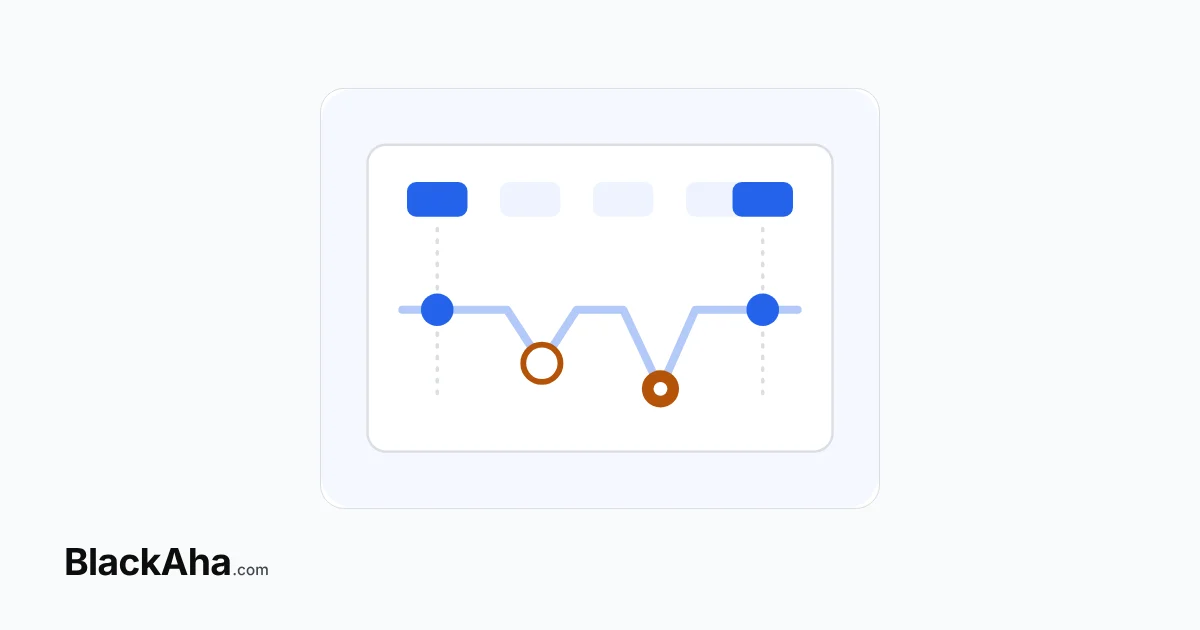
When you can see how competitors adjust their prices over time, for example in a full price history for each product, you gain insight that can be used to your advantage. If a competitor typically lowers prices during specific seasons, you may want to do the same or offer added value during those periods to keep customer interest.
Price changes can also reflect supply and demand dynamics. Monitoring how competitors price similar products can reveal patterns that are not easily visible otherwise. By keeping an eye on these trends, your business can adapt ahead of shifts in the market.
How can targeted strategies give you a competitive edge?
With data from a price monitoring tool, businesses can tailor their pricing strategies to specific market segments.
For example, if data reveals that a specific customer group responds well to discounts, you can craft promotions designed for that audience. This kind of precision helps your business not only match but potentially outperform competitors by attracting and retaining customers.
Dynamic pricing, adjusting prices based on data, can further differentiate your offer. Businesses that use data well can respond to competitor price changes, shifts in demand and market conditions, and so maintain a competitive position.
What are the best practices for using price monitoring tools?
Integrating price monitoring tools into your operations matters, but knowing how to use them effectively is the difference between keeping pace with competitors and outpacing them.
Monitor competitors regularly
Consistency is key in pricing strategy.
Regular competitor analysis can be the difference between recognizing a shift in the market and being blindsided by it. By consistently monitoring competitors’ prices, promotions and market approaches, you have the data you need to make timely, informed pricing decisions.
Regular monitoring also helps you establish benchmarks. By recording competitors’ prices over time, a practice known as 価格ベンチマーキング, you can define your pricing range against competitors. This informs your pricing strategy and signals to customers that you are adaptable and responsive.
Use automation to collect data and act on it
Automating data collection and analysis can improve your pricing strategies substantially.
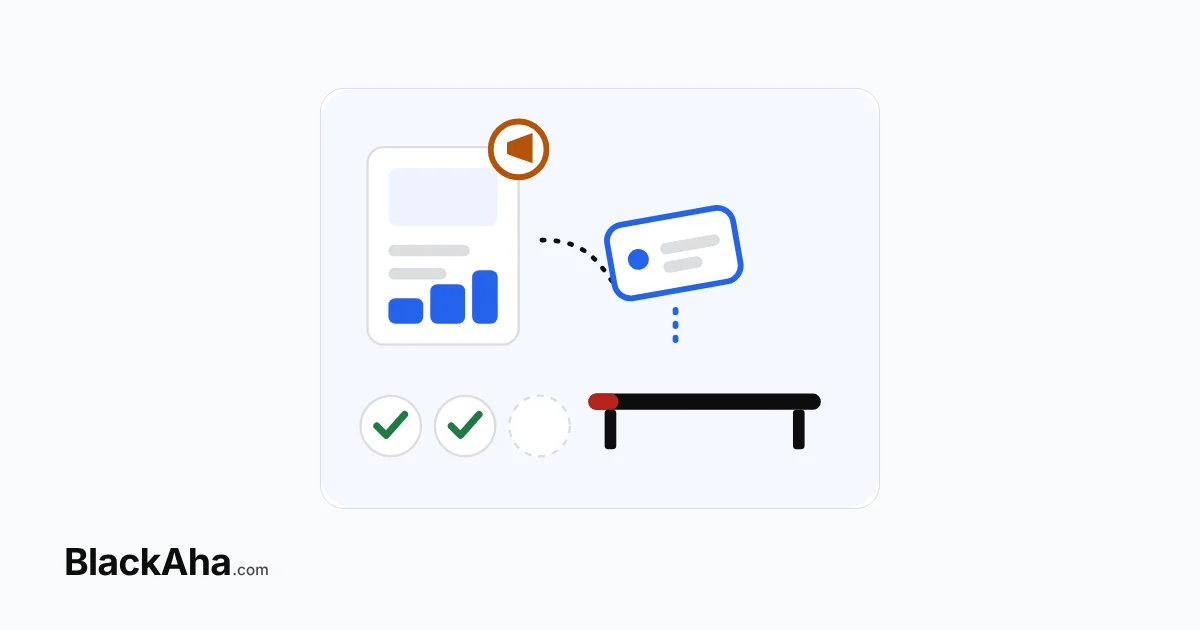
With BlackAha, price checks run automatically, so employees can focus on deeper analysis instead of manual price checking, and you always work from current data. You can also set pricing rules based on competitor prices and market averages with guardrails, and let BlackAha update your store prices on schedule.
Automated insights can also help you spot patterns, such as when demand tends to peak, so you can refine promotional campaigns and make the most of busy periods.
Adapt your pricing strategy based on insights
Having access to data is one thing; knowing how to act on it is another. Insights from price monitoring tools can significantly improve your pricing strategies.
Once you have gathered the relevant data, analyze it and derive actionable strategies. For instance, if a competitor frequently uses price promotions to capture market share, your strategy should balance competitive pricing without compromising your margins.
A test-and-learn approach also pays off. By trying different price points for a limited time and measuring customer response, you can improve your pricing strategy step by step based on real-world data rather than conjecture.
How does price monitoring affect customer perception?
Pricing strategy and customer perception are closely linked. The right use of data can improve customer trust and loyalty.
Build trust through competitive pricing
A reputation for fair and competitive pricing builds trust among customers.
When consumers believe they are being offered a good deal, they are more likely to return and recommend your business to others. Price monitoring tools help you see where your prices fall within the market and adjust accordingly.
Transparent pricing builds loyalty. If customers know they can rely on your prices to be competitive and fair, your brand earns respect and loyalty, which supports long-term profitability.
Create value beyond price
While competitive pricing is vital, perceived value also plays a crucial role in buying decisions.
Watching competitors closely reveals not only their prices but also the value propositions around them. If you notice a competitor offering freebies or extended warranties at a similar price point, it may be time to adjust your own value proposition.
Focusing on added value, such as quality customer service, loyalty programs or bundled offers, can change how customers see your pricing. Customers are willing to pay more when they see tangible benefits, which strengthens your competitive advantage.
How does dynamic pricing affect customer loyalty?
Dynamic pricing, adjusting prices based on demand, stock levels or competitor data, can affect customer perceptions and loyalty.
The downside is that customers may feel taken advantage of if prices fluctuate too often. Done well, however, dynamic pricing can appeal to different market segments and maximize sales.
Clear communication with customers about pricing changes helps reduce negative perceptions. Tools that track the market provide the insight needed to use dynamic pricing effectively while keeping customer trust.
結論
In today’s competitive marketplace, price monitoring tools like BlackAha.com can transform your pricing strategy and your market position. By using data to build pricing strategies, monitoring competitor pricing regularly, automating what can be automated and remembering how pricing shapes customer perception, your business can not only keep pace with competitors but outpace them. The future of pricing strategy is data-driven, and the companies that adapt will be the ones that thrive.
要点
- Price monitoring shows what competitors charge and where your prices sit in the market, so decisions rest on data rather than gut feeling.
- Recording competitor prices over time reveals trends, such as seasonal discounts, and gives you benchmarks for your own pricing range.
- Automation frees your team from manual price checks; BlackAha can also update store prices on schedule from rules based on competitor prices.
- Competitive, transparent pricing builds trust, but value beyond price and careful use of dynamic pricing matter for loyalty.
よくある質問
How do price monitoring tools help you outperform competitors?
They record what competitors charge and how prices change, so you can see your market position and respond with timely, data-driven pricing decisions instead of guesses.
What does BlackAha do for price monitoring?
BlackAha checks competitor product pages automatically, records every price change, and lets you set pricing rules on competitor prices and market averages that update your store prices on schedule.
How often should I monitor competitor prices?
Regularly and consistently. Ongoing monitoring helps you spot market shifts early and build benchmarks of competitor prices over time.
Can dynamic pricing hurt customer loyalty?
It can if prices change too often and customers feel taken advantage of. Clear communication and data-based, well-controlled changes help keep customer trust.
 English
 ไทย
 Tiếng Việt
 한국어
 日本語
 简体中文
 Français
 Deutsch
 Русский
 Italiano
 Polski
 Español