
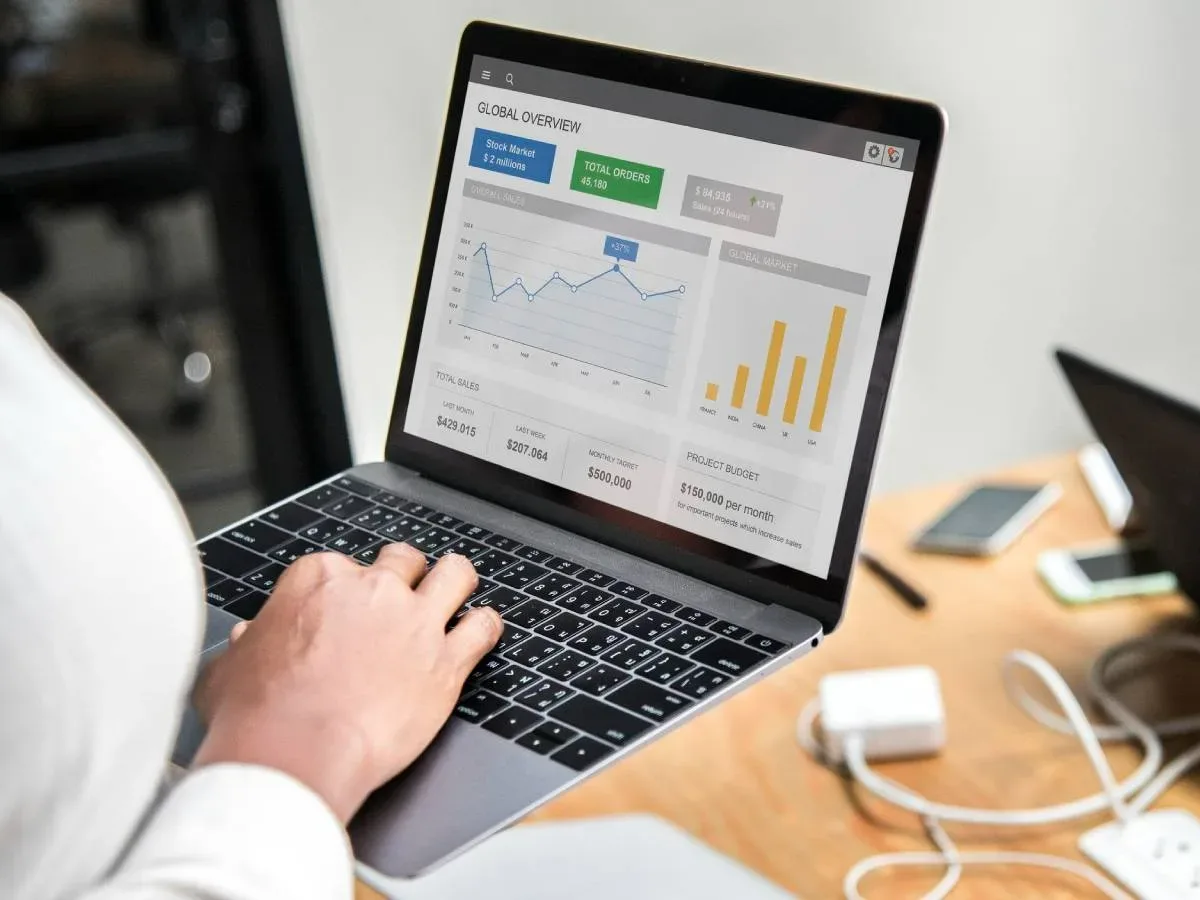
Competitor price monitoring helps a Shopify store grow sales by showing where its prices sit against rivals, so it can reprice, run promotions or reposition products based on data rather than guesswork. The case study below shows how one store applied it.
In a competitive ecommerce market, retailers must keep adapting to capture attention and grow sales. Strategic pricing guided by competitor analysis can make a real difference to a store’s bottom line, as this example shows.
What happened in the Shopify case study?
Among the strategies used by Shopify store owners, one case stood out. A mid-sized online retailer selling home goods turned to 競合価格のモニタリング to refine its pricing. Before that, its sales had stagnated and it struggled to compete in a saturated market. By tracking competitor prices every week, it began to understand customer behavior and 価格感応度 in its category.
With that knowledge, the retailer restructured its pricing model and adjusted prices in response to market conditions, following a structured analysis of competitors’ moves. According to the case study, it kept its market share and grew sales within a quarter of starting the new approach — a strong argument for data-driven pricing as a driver of growth.
Why does competitor price monitoring work for Shopify stores?
This kind of result is not an isolated case. Many Shopify store owners now see how central pricing is to their overall strategy, starting with the fact that market prices are always moving. Retailers who do not monitor competitors risk losing ground to those who respond faster to customer expectations.
Active 競合価格のモニタリング is not just observing other stores’ prices. It shows which products see price changes, when those changes happen and how they affect sales volume. By letting its prices follow competitive trends, the store in the case study built customer trust and loyalty, which supported sustained growth.
What is competitor price monitoring and why is it necessary?
Competitor price monitoring is the regular tracking of rival stores’ prices for the products you sell. It has become a necessity because price shapes buying behavior. A compelling product is not enough if shoppers see your price as too high or out of line with competitors — and a similar product is often one click away. If shoppers find it cheaper elsewhere, they will likely buy it there.
How do stores use price data in practice?
Store managers can use current data to change prices quickly. Tools for 競合価格の追跡 follow many competitor prices at once and provide the insight behind a pricing strategy. Adjusting prices against the market creates a responsive pricing model that meets customer expectations, improves satisfaction and supports sales. It is not only about lowering prices — it is also about establishing your brand’s value relative to competitors.
This approach replaces guesswork with data. Using consistent monitoring as a benchmark — for example, a 価格指数 that compares your price with the market average — you can run promotions when needed, reprice items to match market expectations or rethink your product’s value proposition.
Can price changes reach Shopify automatically?
はい。 ダイナミックプライシング rules based on competitor prices and market averages, BlackAha.com can update store prices on schedule, within guardrails you set. Shopify is one of the supported store integrations, alongside WooCommerce, Magento, OpenCart and BigCommerce.
What is the takeaway for Shopify merchants?
In a fast-changing digital market, effective pricing matters more than ever. As this case study illustrates, retailers who use competitor insight have an advantage over those who do not. Adjusting prices to market behavior can lift sales, customer loyalty and brand perception. Competitor price monitoring is no longer a side tactic — it is a key part of a strategy for staying competitive and growing sales.
要点
- Competitor price monitoring shows where your Shopify prices sit against rivals and how the market moves.
- In the case study, a home goods store tracked competitor prices weekly and restructured its pricing around the data.
- Monitoring is not only about cutting prices — it also helps you position your brand’s value.
- Pricing rules can push data-driven price changes to a Shopify store automatically, within guardrails.
よくある質問
How can competitor price monitoring increase Shopify sales?
It shows where your prices stand against competitors, so you can reprice, run promotions or reposition products based on data. In the case study, a home goods store grew sales after restructuring its pricing this way.
How often should a Shopify store check competitor prices?
The store in the case study tracked competitor prices weekly. Automated tools can check competitor product pages for you and record every price change.
Does competitor price monitoring mean always being the cheapest?
No. It also helps you establish your brand’s value relative to competitors and decide when a promotion or a different value proposition makes more sense than a price cut.
Does BlackAha work with Shopify?
Yes. BlackAha.com connects to Shopify, as well as WooCommerce, Magento, OpenCart and BigCommerce, so prices from your pricing rules can reach your store automatically.
 English
 ไทย
 Tiếng Việt
 한국어
 日本語
 简体中文
 Français
 Deutsch
 Русский
 Italiano
 Polski
 Español