











Dynamic pricing strategy: when to use automatic price adjustments and when to intervene manually. As the world shifts towards a more technology-driven marketplace, businesses are finding themselves prompted to adapt to an environment characterized by fluctuating demand, competition, and consumer expectations. The dual aspects of leveraging technology for automatic price adjustments while also recognizing the need for manual intervention create a challenging yet exciting landscape for modern marketers. In this article, we will explore the dynamic pricing strategy in depth, including its advantageous aspects, potential pitfalls, and the optimal times to make real-time adjustments based on market conditions and consumer behavior.
Dynamic Pricing Strategy: When to Use Automatic Price Adjustments and When to Intervene Manually
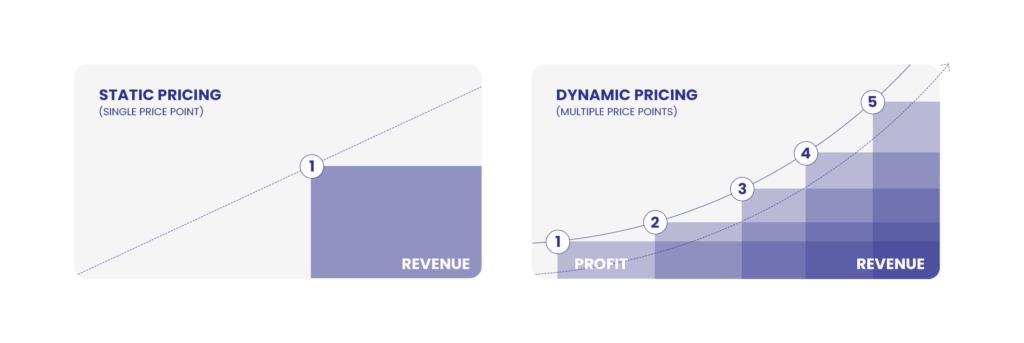
The core of any dynamic pricing strategy rests in its adaptability; the ability to modify prices in real-time according to demand, consumer trends, and competitive pricing. Automation has revolutionized this space by allowing businesses to continuously monitor their prices against a multitude of variables and adjust accordingly. However, relying solely on technology might not be the wisest course of action for every situation. By incorporating manual control, companies can create a more finely-tuned pricing structure that responds not only to hard data but also to nuances in customer sentiment and market dynamics.
While automatic price adjustments are effective for handling larger datasets and rapid price changes—such as in the case of airlines and hospitality—it’s essential to consider when human judgment can provide added value. For example, during holiday seasons, consumer emotions can dramatically influence buying decisions. An automated system may fail to perceive the urgency created by a marketing campaign or shifts in purchasing behavior during these peak times. Thus, understanding the circumstances that necessitate manual intervention is vital for capturing maximum value without alienating customers or compromising brand reputation.
Dynamic Pricing Strategy

At its heart, a dynamic pricing strategy thrives on the principles of flexibility and responsiveness. This approach allows companies to optimize prices based on complex analytics, historical data, and predictive modeling. Similar approaches can be observed in industries where supply chains and market conditions are often volatile, such as airline ticketing and ride-sharing platforms. These markets benefit immensely from pricing techniques that enable swift alterations to stay competitive.
Moreover, dynamic pricing encourages businesses to leverage sophisticated algorithms that assess variables such as consumer behavior, competitor pricing, and external market conditions—eventually leading to improved profit margins. However, it’s essential to remind ourselves that the implementation of a dynamic pricing strategy should not be reckoned as a one-size-fits-all approach. Organizations need to consider their specific circumstances, target audience, and existing market strategies to determine the effectiveness of automatic price adjustments versus the necessity for manual interventions.
Automatic Price Adjustments
Automatic price adjustments have become the go-to method for many businesses looking to enhance pricing strategies. These adjustments are typically made utilizing advanced machine learning models that analyze historical sales data, market trends, and even weather patterns to set prices instantaneously. The benefits of such technology are manifold; not only does it allow for a level of accuracy unattainable by human pricing teams, but it also saves businesses considerable time and resource expenditure.
Nevertheless, there is an inherent risk that can arise from over-reliance on automation. Consumers today are equipped with various platforms allowing them to compare prices almost instantaneously. If an automated pricing structure is not sufficiently adaptable, businesses may find themselves pricing too low during peak demand or too high during off-peak times. This misalignment can lead to lost revenue opportunities or undermine brand credibility. Thus, while automatic price adjustments are crucial for maintaining a competitive edge, businesses must ensure that their systems are capable of incorporating evolving market sentiments as well.
When to Intervene Manually
The important question that arises from the discussion on automatic price adjustments is: when is it time to take manual control of the pricing wheel? A common scenario necessitating manual intervention is during significant market events, such as economic downturns or natural disasters that disrupt usual purchasing behaviors. These situations might not be adequately captured by algorithms that primarily rely on historical data patterns and may require human insight into how consumers are feeling emotionally regarding the changes in the marketplace.
In addition, market saturation can lead to a decrease in consumer loyalty, prompting brands to rethink their pricing strategies. Businesses might find themselves needing to lower their prices to protect their market share or to adopt their tactics based on sudden shifts in consumer preferences. In these cases, a strategically planned manual intervention can lead to long-term customer relationships and reestablish trust in the brand. It's essential for brands to regularly assess when and where such interventions may be necessary and fortify their strategy accordingly to meet evolving customer demands.
Conclusion
In summary, finding the right balance between a dynamic pricing strategy with its reliance on automatic price adjustments and the strategic application of manual interventions is key to optimized pricing management. Businesses must understand the circumstances under which technology can effectively govern pricing and when a human touch can create additional value. Engaging thoughtfully with these two aspects will facilitate a more agile and customer-centric pricing approach that can adapt to ever-changing market conditions without compromising integrity or profitability.