
To outperform competitors with price tracking data, record their price changes, promotions and stock levels over time, look for patterns, and use them to decide when to adjust prices, launch promotions or improve products — so you act ahead of the market, not after it.
In today’s digital marketplace, the ability to assess pricing trends, follow competitors’ strategies and adapt can decide success or failure. With good pricing data, businesses can tune their strategies to meet market demand and anticipate shifts in consumer preferences and behavior.
Why use price tracking data to analyze competitor behavior?
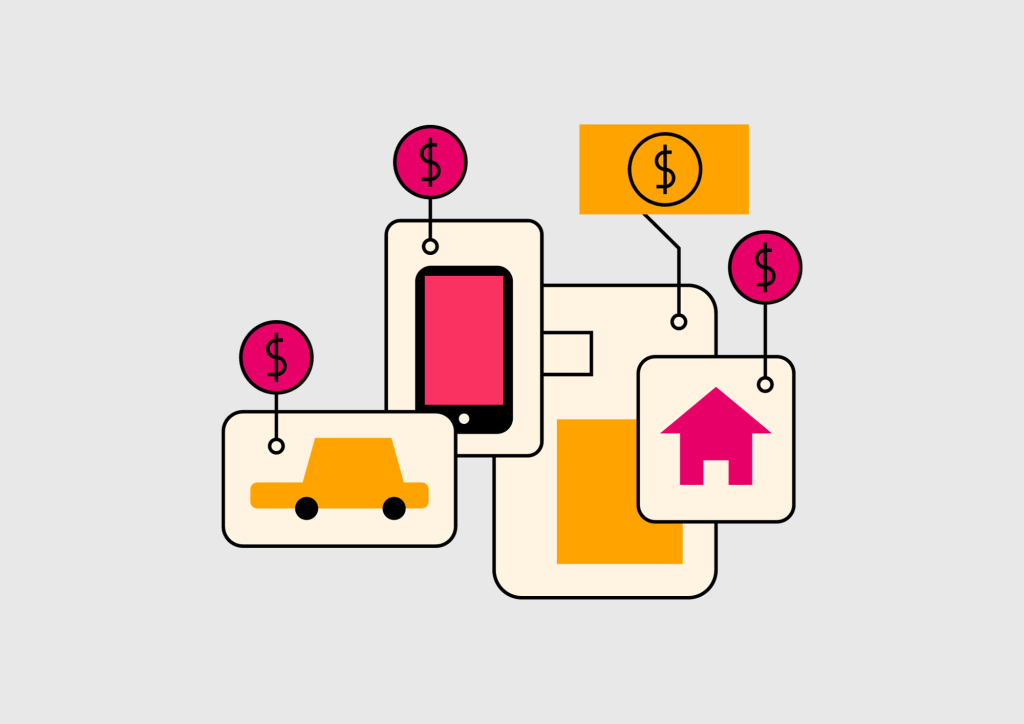
Consumer choice is vast and attention spans are short, so analyzing competitor behavior with price tracking data has become an indispensable business tactic. Markets shift constantly, driven by factors from seasonal demand surges to economic fluctuations. Price tracking data shows when to adjust your prices, launch promotional campaigns or improve product features, and lets you plan ahead in a way that was hard before such data was available.
Working with price tracking data goes beyond reacting to competitors; it lets you plan ahead and strengthen your market position over time. By analyzing competitor behavior, you can uncover pricing patterns across platforms and see how competitors respond to market changes. These insights reveal opportunities for product differentiation and unique selling propositions that resonate with your target customers. Success, however, depends on understanding the data, so learning how to analyze and interpret it is essential.
What can you learn from analyzing competitor behavior?

Analyzing competitor behavior is not only about matching market prices; it is about understanding how competitors operate. You can learn a lot by watching their price shifts, promotions and inventory levels. Data tools that track these metrics — such as automated der Preisbeobachtung von Wettbewerbern that records every price change and stock status — support data-driven pricing decisions. The value lies in interpreting the information, not just collecting it. Trends in price fluctuations help you anticipate future moves. Do competitors drop prices at certain times of the year? Do they go on sale when new product lines launch? Such insights help you decide when to change your own prices.
Competitor analysis also helps you understand customer preferences: what drives a decision when similar products sit at different price points. If competitors in a niche add benefits to raise perceived value rather than simply cutting prices, that could inspire a similar approach. Recognizing that customers may prioritize quality or unique features over a bargain can shift your strategy toward a value-added offer instead of a Preiskrieg.
How do you turn price tracking data into strategy?
Used well, price tracking data turns abstract numbers into actionable strategies. Analytics platforms compile large datasets into a view of pricing trends, competitor actions and market demand. With historical price data at hand, you can spot patterns such as seasonal price drops, emerging competitors and long-term pricing trends, and position your store to stay attractive at key buying moments.
Price tracking data informs decisions across the business. Marketing teams can align their messaging with competitor promotions or market demand. Product teams can see which features or improvements might justify a price increase, or where to innovate to stand out. Using price tracking data is therefore not just about adjusting prices; it is a holistic way to refine how the business works.
How does price tracking data help you outperform competitors?
Using price tracking data to outperform competitors takes a commitment to continuous learning and adaptation. Companies that build this data into how they operate are better placed to thrive in fast-moving markets. It also encourages agility: teams adjust strategy based on current data rather than guesswork. Predictive analytics can add foresight into market movements, so resources go where they will be most effective instead of following outdated assumptions.
Success also needs cross-department commitment. When marketing, sales and finance share price tracking insights, they can build more effective strategies and campaigns. For example, if data shows a category consistently underperforming at a certain price position against the market, sales and marketing can run targeted promotions or bundles to revive interest. Price tracking data becomes a foundation for innovation that keeps your business relevant in a competitive market.
Schlussfolgerung
Bringing price tracking data into how you analyze competitor behavior is essential for a lasting competitive advantage. It calls for a strategic approach: understanding trends, refining product offers and improving customer engagement, not just reacting. By analyzing competitors and using price tracking data actively, you can anticipate market shifts and changing preferences and stay ahead as the market evolves.
Das Wichtigste in Kürze
- Track competitors’ price shifts, promotions and inventory levels, not just their current prices.
- Historical price data reveals patterns such as seasonal price drops and new competitors.
- Competitor behavior can show when to compete on added value rather than on price.
- Share price tracking insights with marketing, sales, finance and product teams.
Häufig gestellte Fragen
What competitor data should you track besides price?
Track promotional activity and inventory or stock levels as well as price changes. Together they show how competitors operate and respond to the market.
What patterns can historical price data reveal?
It can reveal seasonal price drops, sales timed with new product launches, emerging competitors and long-term pricing trends.
Should you always cut prices when competitors do?
Not necessarily. If customers in your niche value quality or unique features, a value-added offer can work better than competing on price alone.
Which teams should use price tracking data?
Pricing, marketing, sales, finance and product teams all benefit: marketing aligns messaging with competitor promotions, and product teams see which improvements could justify a higher price.
 English
 ไทย
 Tiếng Việt
 한국어
 日本語
 简体中文
 Français
 Deutsch
 Русский
 Italiano
 Polski
 Español