









ดูคู่แข่งของคุณในอินเตอร์เฟซที่เรียบง่าย.
In business and e-commerce, tracking และ monitoring competitor pricing is essential
90%

of shoppers
Actively compare prices before deciding what to buy.
60%
of consumers
Consider price to be the most important factor influencing their purchasing decisions.
Loved by Our Clients
What Our Clients Say
Our commitment to delivering exceptional services is reflected in the feedback we receive from our valued clients.

Join Us | 10.000+ clients globally!
คำถามที่พบบ่อย
ฉันสามารถทดลองใช้ Blackaha.com ฟรีได้หรือไม่ ก่อนที่จะตัดสินใจสมัครแพ็กเกจแบบชำระเงิน?
แน่นอน! Blackaha.com ให้บริการทดลองใช้ฟรีเพื่อให้คุณได้สัมผัสประสบการณ์เต็มรูปแบบของซอฟต์แวร์ติดตามและตรวจสอบราคาคู่แข่งของเราโดยไม่มีข้อจำกัดด้านคุณสมบัติใด ๆ ทั้งสิ้น ซึ่งช่วยให้คุณประเมินคุณค่าทั้งหมดของซอฟต์แวร์ได้ก่อนที่จะตัดสินใจสมัครสมาชิกแบบชำระเงิน.
อะไรที่ทำให้ซอฟต์แวร์ของ Blackaha.com แตกต่าง?
Blackaha.com โดดเด่นด้วยความเชี่ยวชาญด้านอีคอมเมิร์ซอย่างลึกซึ้งและการรับฟังลูกค้าอย่างไม่หยุดยั้ง ขับเคลื่อนโซลูชันที่ยืดหยุ่นสูงและมีฟีเจอร์ครบครัน ซึ่งเข้าถึงง่ายและเป็นมิตรกับผู้ใช้สำหรับธุรกิจทุกขนาด การมุ่งเน้นนี้ช่วยให้การติดตามและจัดการราคาเป็นไปอย่างราบรื่นโดยปราศจากความยุ่งยากทั่วไป.
นั่นคือเหตุผลที่มันได้รับความไว้วางใจทั่วโลก ได้รับคะแนนสูงสุดในด้านความน่าเชื่อถือและประสิทธิภาพในการใช้งานจริง.
ซอฟต์แวร์ติดตามราคาของคู่แข่งให้ข้อได้เปรียบที่มากกว่าวิธีการทำด้วยมือหรือไม่?
ใช่ครับ ซอฟต์แวร์ติดตามและตรวจสอบราคาคู่แข่งมอบข้อได้เปรียบทางการแข่งขันอย่างมหาศาล—การควบคุมตลาดที่เหนือกว่า การตัดสินใจที่ชาญฉลาดยิ่งขึ้น และรายได้ที่เพิ่มขึ้น—ซึ่งวิธีการแบบแมนนวลไม่สามารถเทียบได้ ในขณะที่การเก็บข้อมูลแบบดั้งเดิมด้วยมือนั้นใช้เวลานาน มีโอกาสเกิดข้อผิดพลาดสูง และล่าช้า ซอฟต์แวร์นี้ให้ข้อมูลเชิงลึกเกี่ยวกับราคาคู่แข่งแบบเรียลไทม์.
คุณจะไม่เพียงแค่ทราบราคาของพวกเขาเท่านั้น แต่ยังสามารถปรับราคาของคุณได้แบบเรียลไทม์: เพิ่มขึ้นเพื่อเพิ่มกำไรสูงสุด ลดลงเพื่อรักษาลูกค้า หรือกระตุ้นยอดขาย ผลลัพธ์คือ? คู่แข่งจะตามไม่ทัน ทำให้ธุรกิจของคุณกลายเป็นผู้นำในตลาดที่ผู้บริโภคให้ความสำคัญกับราคา ซึ่งการตั้งราคาเป็นปัจจัยสำคัญในการตัดสินใจซื้อของผู้บริโภค.
(Blackaha.com) การติดตามและตรวจสอบราคาของคู่แข่งหมายถึงอะไร?
การติดตามและตรวจสอบราคาของคู่แข่งหมายถึงอะไร? มันหมายถึงการใช้ซอฟต์แวร์เฉพาะทางเช่น Blackaha.com เพื่อรวบรวม อัปเดต และวิเคราะห์ข้อมูลราคาสินค้าของคู่แข่งของคุณโดยอัตโนมัติแบบเรียลไทม์ ซึ่งมอบข้อมูลเชิงลึกที่แม่นยำและรายงานอัตโนมัติ แทนที่กระบวนการทำงานแบบแมนนวลที่ล้าสมัยซึ่งทีมต้องเสียเวลาไปกับการป้อนข้อมูลลงในสเปรดชีตขนาดใหญ่และต้องเผชิญกับการวิเคราะห์ที่ซับซ้อนและเต็มไปด้วยข้อผิดพลาด.
วิธีการแบบดั้งเดิมนำไปสู่การตัดสินใจที่ไม่ดี สูญเสียรายได้ทั้งในปัจจุบันและอนาคต รวมถึงถูกคู่แข่งแซงหน้า ในยุคดิจิทัลปัจจุบัน หลายบริษัทยังคงติดอยู่กับกับดักที่ไม่มีประสิทธิภาพนี้ Blackaha.com คือการอัปเกรดที่ชาญฉลาด เปลี่ยนแปลงวิธีการสร้างกลยุทธ์การเติบโตและเพิ่มผลกำไรสูงสุดให้กับธุรกิจของคุณ.
การติดตามตรวจสอบคู่แข่งนั้นถูกกฎหมายหรือไม่ และพวกเขาจะรู้หรือไม่ว่าฉันกำลังติดตามพวกเขาอยู่?
การติดตามข้อมูลสาธารณะทั้งหมดนั้นถูกกฎหมาย คุณทราบดีว่าเว็บไซต์ไม่ต้องการถูกตรวจสอบและมักจะบล็อกการเข้าชมโดยอัตโนมัติหรือผ่านบอท และเรารู้วิธีหลีกเลี่ยงสิ่งนั้น เรามีเซิร์ฟเวอร์กระจายอยู่ทั่วโลก เมื่อเราตรวจพบการเข้าชม เรามีเทคนิคในการหลีกเลี่ยงการถูกแบนโดยการเปลี่ยนตำแหน่งเซิร์ฟเวอร์อย่างรวดเร็วอย่างไรก็ตาม ระบบบางระบบอาจลงทุนเวลาและเงินในการวิเคราะห์การจราจรเป็นเวลานาน และสามารถบล็อกตำแหน่งส่วนใหญ่ที่เซิร์ฟเวอร์ของเราใช้ได้ นั่นเป็นเหตุผลว่าทำไมเราจึงพัฒนาการจราจร IP ที่ซ่อนอยู่ ซึ่งแทบไม่สามารถแยกแยะได้จากการจราจรเว็บไซต์ปกติ และไม่สามารถถูกแบนได้ เนื่องจากมีความเสี่ยงสูงที่จะบล็อกผู้เยี่ยมชมหลายล้านคน อย่างไรก็ตาม อาจมีข้อยกเว้น แต่ไม่มีความสำคัญ และเราอยู่ในระหว่างการพัฒนามาอย่างต่อเนื่องเพื่อเอาชนะปัญหาเหล่านี้.
ข่าว
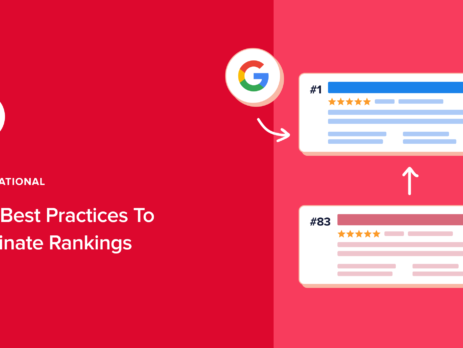
Enhance Product Category SEO with Price Competition Data Strategies
In today’s highly competitive online marketplace, optimizing product category SEO based on price competition data (title, meta, schema) has become crucial for eCommerce success. By intelligently integrating price insights into your SEO strategy, you can enhance visibility, attract targeted traffic, and ultimately increase conversions. This guide explores how to effectively leverage price competition data to optimize product category SEO based on price competition data (title, meta, schema), ensuring your offerings stand out in a crowded digital space.
Understanding the Importance of Price Competition Data in SEO

Embracing the power of price competition data in SEO is no longer optional; it’s a strategic imperative. When the right data informs your SEO efforts, you can better align your product listings with what consumers are actively searching for and comparing. This not only improves ranking potential but also positions your products as compelling options that speak directly to the value-conscious shopper.
Furthermore, integrating price data into your SEO illuminates opportunities to differentiate your offerings from competitors. You gain insights that enable you to craft more accurate, appealing titles, meta descriptions, and schema markups, all fine-tuned to reflect price competitiveness. As a result, your product listings become more attractive, persuasive, and more aligned with customer expectations, which is essential for dominating search engine results in crowded marketplaces.
The Role of Price Data in Search Rankings
Price data inherently influences search rankings when consumers prioritize affordability or value for money. Search engines aim to deliver relevant, high-quality results that match user intent, and price is often a critical factor, especially in eCommerce. Incorporating price insights allows search engines to better understand the attractiveness of your offerings, increasing the likelihood of higher rankings for location-specific, price-sensitive, or competitive queries.
Moreover, search engines like Google utilize rich snippets and schema markups to display product prices directly in search results. This not only enhances visibility but also improves click-through rates by providing transparent, immediate pricing information. Therefore, optimizing product category SEO based on price competition data (title, meta, schema) can significantly impact your organic visibility and traffic by leveraging these ranking advantages.
Benefits of Incorporating Price Insights into SEO Strategies
Integrating price insights offers multiple benefits: it helps you craft compelling titles and descriptions that resonate with consumers, highlights your competitive advantages, and allows for dynamic adjustments based on market trends. When your SEO strategy is aligned with real-time price competition data, your product listings remain relevant and persuasive amidst fluctuating market conditions.
Beyond visibility, this approach enhances the user experience by providing transparent, value-focused information upfront, reducing bounce rates, and increasing conversions. It also supports strategic pricing decisions, allowing your marketing messages to reflect actual market positioning. Ultimately, this comprehensive approach helps establish your brand as an affordable, trustworthy choice while safeguarding and even boosting your search engine rankings.
Challenges and Considerations When Using Price Data
While potent, leveraging price data in SEO comes with challenges. Price fluctuations require continuous monitoring, and the risk of appearing inconsistent if updates aren’t timely. There’s also the danger of overemphasizing price, which might undermine perceived quality or brand value. Additionally, search engines penalize manipulative or misleading schema markup, so transparency and accuracy are paramount.
Careful consideration should be given to ethical practices—never manipulate price data to deceive users or violate search engine guidelines. Data accuracy, regular updates, and adherence to best practices are essential to avoid penalties and maintain trustworthiness. The key lies in balancing competitive pricing strategies with integrity and consistency to sustain long-term SEO success.
Gathering and Analyzing Price Competition Data

Success in utilizing price competition data hinges on thorough research and insightful analysis. Gathering accurate, timely information on your competitors’ pricing strategies enables you to make informed decisions that directly impact your SEO efforts. This data-driven approach ensures your product listings are aligned with market realities and customer expectations.
Analyzing data effectively reveals patterns, gaps, and opportunities that can be exploited for competitive advantage. Whether through manual research or advanced tools, understanding the nuances of competitor pricing enables you to craft optimized product title strategies based on price data that resonate with your target audience and search algorithms alike.
Identifying Key Competitors and Market Benchmarks
The first step toward effective price data analysis involves identifying your primary competitors and understanding their market position. This requires a combination of manual browsing, keyword research, and analysis of marketplaces such as Amazon, Google Shopping, or industry-specific platforms. Recognizing direct competitors and those occupying similar price bands provides a clearer picture of the competitive landscape.
Establishing market benchmarks means understanding the average, highest, and lowest prices within your category. This helps you determine the baseline for your pricing, identify premium or discount segments, and spot opportunities where your product can be positioned as more appealing or value-driven. Such insights are foundational for informing your SEO based on price competition data (title, meta, schema) adjustments.
Tools and Methods for Collecting Price Data
Collecting reliable price data requires the right combination of tools and methodologies. Automated web scraping tools, price monitoring services, and API integrations with marketplaces enable real-time or scheduled data gathering. These tools can track competitor prices, offer trends, and alert you to fluctuations that might impact your SEO and pricing strategies.
Apart from automated tools, manual research remains valuable for verifying data accuracy, especially for niche or less accessible markets. Combining qualitative insights, such as customer reviews, with quantitative price data adds depth to your analysis. When you leverage these methods, your understanding of market dynamics becomes more nuanced, enabling more effective implementation of product category SEO optimization based on price competition data.
Analyzing Price Trends and Competitor Pricing Strategies
Once you have collected sufficient data, the next step involves analyzing trends and strategies. Look for patterns such as seasonal pricing, promotional discounts, or premium pricing for perceived quality. Recognizing these trends informs when to adjust your own prices or update meta and schema data to reflect current market conditions.
Successful analysis should also include a review of your competitors’ messaging and positioning strategies. Are they using pricing signals in their titles or descriptions? Do their schema markups highlight discounts or exclusive offers? Understanding these tactics enables you to craft title, meta, schema optimizations that emphasize your competitive advantages, ensuring your product listings stay relevant and compelling.
Interpreting Data to Discover Opportunities and Gaps
Data interpretation involves translating raw numbers into actionable insights. Look for gaps in pricing that can be exploited—perhaps a segment where prices are inflated, creating an opening for more attractive options. Conversely, identify oversaturated price points where competition is fierce, and consider differentiation through value propositions or unique messaging.
This analysis also guides Optimizing product category SEO by highlighting where to focus keyword targeting, how to position your prices and messaging, and where schema markups can be most effective in attracting users. Continuous interpretation of price data helps you stay agile, ensuring your SEO strategies adapt to evolving market conditions and consumer preferences.
Crafting Effective Product Title Strategies Based on Price Data
Your product titles are the first impression for search engines and potential buyers. Incorporating price signals confidently and coherently within your titles can significantly improve your visibility and click-through rates. When you optimize product category SEO based on price competition data (title, meta, schema), your listings become more relevant, attractive, and competitive.
Effective title strategies balance keyword relevance with compelling price-related messaging. This synergy ensures your listings not only rank well but also appeal to price-sensitive consumers seeking the best deal, helping to drive qualified traffic and conversions.
Incorporating Competitive Pricing Signals into Titles
Embedding competitive pricing cues into titles can immediately signal value to prospective buyers. For example, phrases like “Affordable,” “Best Price,” or “Discounted” positioned alongside core product keywords can improve relevance in search results, especially when aligned with actual market pricing.
However, it’s essential to maintain authenticity and clarity. Overuse or misleading language can harm your brand reputation and potentially attract penalties. When done correctly, integrating price signals into titles supports your SEO based on price competition data (title, meta, schema) strategy and elevates your product’s search appeal.
Balancing Keyword Optimization and Price Messaging
While keywords drive search ranking, the inclusion of price messaging adds an extra layer of relevance. Find a harmonious balance where pricing cues do not dilute the primary keywords but enhance their appeal. For instance, pairing “Eco-Friendly Water Bottle” with “Best Price” or “Affordable Choice” creates an engaging, informative headline that appeals both to SEO algorithms and consumer preferences.
A subtle integration ensures your titles remain clear and focused, avoiding keyword stuffing or ambiguous phrasing. This delicate balance is central to a successful product category SEO approach that leverages price data effectively and transparently.
Examples of Price-Informed Title Optimization
Consider examples where titles incorporate actual price insights, such as “Luxury Hiking Boots – Save 20% Today” or “Affordable Wireless Earbuds with Free Shipping.” These titles highlight price advantages while maintaining keyword relevance, making listings more compelling in search results.
Using such strategies requires continuous monitoring of market pricing trends. When your titles reflect real competitive dynamics, your listings stay relevant, attract clicks, and improve overall ranking, supporting your SEO based on price competition data (title, meta, schema) วิธีการ.
Avoiding Over-Optimization and Ensuring Clarity
Over-optimizing titles with aggressive price claims can backfire, risking penalties or customer distrust. Clarity and honesty are vital; exaggerating savings or misleading consumers damages credibility and violates search engine guidelines.
Strive to be transparent and precise—use accurate price references and avoid manipulative language. This approach fosters trust, enhances customer experience, and ensures your product category SEO remains compliant while still leveraging price signals to attract informed, ready-to-buy shoppers.
Optimizing Meta Descriptions to Reflect Price Competitiveness
Meta descriptions serve as the persuasive snippet that entices users to click on your link. When optimized to reflect price competitiveness, they become powerful tools to position your products as the best value options directly in search results. Crafting compelling, price-focused meta descriptions amplifies your SEO strategy based on market data and consumer intent.
By emphasizing unique selling points and incorporating calls to action rooted in pricing advantages, meta descriptions can improve CTR and drive high-quality traffic. Making continuous A/B testing of these snippets ensures you refine messaging to maximize performance, all while keeping alignment with optimize product category SEO based on price competition data (title, meta, schema).
Writing Compelling, Price-Focused Meta Descriptions
Your meta descriptions should complement your titles by elaborating on the value proposition. Highlight competitive features such as exclusive discounts, free shipping offers, or better pricing compared to rivals. For example, "Get premium wireless earbuds at 30% less than competitor prices—limited-time offer!"
Using persuasive language alongside strategic keywords improves visibility and persuades users that your product offers the most attractive deal. When your meta descriptions clearly articulate the price benefits supported by competitive data, your visibility in SERPs increases among budget-conscious shoppers.
Highlighting Unique Selling Points and Price Advantages
Incorporate specific advantages, such as “Lowest Price Guarantee,” “Special Seasonal Discounts,” or “Bulk Purchase Savings,” into your meta descriptions. Such details reify your SEO based on price competition data (title, meta, schema) strategy, demonstrating your offerings’ affordability and value superiority.
Effectively communicating your price advantages encourages users to choose your listing over competitors, fostering trust and boosting click-through rates. The key lies in being truthful, relevant, and clear to avoid misleading consumers or damaging your reputation.
Leveraging Call-to-Actions that Emphasize Pricing
Calls to action like “Shop Now for Best Prices,” “Compare and Save,” or “Limited-Time Price Cuts” motivate users to act immediately. These CTAs, paired with strategic pricing information, create urgency and convey value, increasing the likelihood of conversions.
Testing different CTA formulations through A/B experiments allows you to discover what resonates best with your audience. Consistently refreshing your meta descriptions based on evolving price data ensures your product category SEO remains competitive and maximizes profitable traffic.
A/B Testing Meta Descriptions for Best Performance
Regular testing of meta description variants helps identify language, offers, and price points that generate the highest engagement. Track metrics such as click-through rate (CTR), bounce rate, and conversion rate to determine the most effective messaging.
Adjustments based on performance data allow you to hone your SEO strategies based on price competition data (title, meta, schema). Over time, this iterative process refines your approach, ensuring your meta descriptions continuously attract the right audience with compelling, price-optimized content.
Implementing Structured Data and Schema Markup for Price Visibility
Structured data and schema markup significantly impact how your product data appears in search results. When properly implemented, they enable rich snippets and price visibility enhancements that draw attention and improve CTR. Focusing on schema markup for product and offer types ensures your product information aligns with real-time pricing data, increasing your listing’s competitive edge.
Effective schema implementation boosts your visibility with search engines and enhances user trust by presenting accurate, transparent pricing and availability data directly in search snippets. Maintaining schema accuracy and monitoring performance are essential to sustain these benefits.
Types of Schema Markup Relevant to Pricing (Product, Offer)
Primary schema types for price visibility include the “Product” schema, which describes the product details, and the “Offer” schema, which highlights pricing, discounts, and availability. Proper use of these schemas enables search engines to display prices prominently in search results, often as rich snippets.
Additional schemas, like “AggregateRating” and “Review,” can complement pricing info to bolster credibility and attractiveness, especially when aligned with your pricing strategies. Employing comprehensive schema markup enhances search appearance and aligns with optimize product category SEO based on price competition data (title, meta, schema) practices.
Best Practices for Schema Implementation
Implementing schema markup should follow best practices: ensure markup accurately reflects current pricing, avoid markup errors, and validate using tools like Google’s Rich Results Test. Dynamic schema updates are necessary to reflect any changes in prices, discounts, or stock status, maintaining integrity and relevance.
Use JSON-LD format for easy integration and compatibility across platforms. Proper implementation not only helps display rich snippets but also supports SEO based on price competition data, making your listings more appealing in crowded search results.
Enhancing Search Results with Rich Snippets
Rich snippets increase visibility by showcasing product ratings, prices, reviews, and availability directly in SERPs. This enhanced presentation attracts more clicks and differentiates your listings from competitors. When combined with structured data, rich snippets effectively communicate your prices and value propositions upfront.
Monitoring snippets’ performance and consistency ensures that your structured data remains accurate and aligned with your actual product catalog. By proactively managing your schema markups, you maximize the benefits of price visibility and boost organic search traffic.
Monitoring and Maintaining Schema Accuracy
Regular audits of your schema markup are essential, especially for eCommerce sites with frequent price changes. Automation tools and schema validation services help detect errors or outdated information promptly. Accurate schema markup not only improves ranking potential but also maintains user trust.
Invest in ongoing schema management, incorporating market changes and updating prices in your structured data accordingly. Fully leveraging schema markup for product and offer ensures your listings stand out in competitive search environments, directly supporting your optimization efforts based on price competition data.
Integrating Price Data Insights into Overall SEO and Content Strategy
Your SEO approach should be holistic, incorporating price data insights into every aspect of your site’s optimization efforts. On-page elements, content, navigation, and internal linking should reflect your competitive positioning, making your marketplace more attractive and easier to navigate for users and search engines alike.
Aligning your content strategy with real-time pricing insights helps reinforce your value proposition, drawing in the right audiences and reducing bounce rates. This integration guarantees a consistent, comprehensive SEO based on price competition data framework, elevating your overall search presence.
Aligning On-Page Elements with Competitive Pricing
Ensure your product descriptions, headings, image alt texts, and annotations reflect your pricing strategy. Incorporate keywords that emphasize affordability or value, substantiated by your competitive price positioning. This alignment improves relevancy for searchers seeking the best deal.
By harmonizing on-page SEO with your price-based data, your listings become more compelling and authoritative. Clear pricing signals embedded seamlessly within on-page elements enhance their influence on rankings and user perception.
Creating Content that Supports Price Positioning
Develop blog posts, guides, comparison charts, and FAQs that highlight your pricing edge. Content that educates consumers about why your prices are competitive can boost organic reach and reinforce your value proposition in search results.
Strategically crafted content also creates additional opportunities to target price-related keywords, supporting your SEO efforts based on price competition data. Providing helpful, authoritative information about market pricing trends and saving tips can foster trust and incentivize conversions.
Adjusting Internal Linking and Navigation for Price Visibility
Optimize website structure to spotlight time-sensitive deals, discounts, and competitive offers. Internal links guiding users to price-focused content or special promotion pages improve user flow and help search engines understand your pricing priorities.
Such structural adjustments favor SEO based on price competition data, integrating your pricing insights into every layer of your site's architecture. This creates a cohesive experience that draws users toward competitively priced products at the right moment.
Tracking Performance Metrics and Refining Strategies
Use analytics to monitor how price-driven optimizations influence traffic, rankings, and conversions. Key metrics like organic search positions, click-through rates, and bounce rates reveal the effectiveness of your price-based SEO integrations.
Regularly review and refine your strategies based on data. As market prices evolve, so should your SEO approach, ensuring your product listings remain at the forefront of search results and continue to outperform competitors.
Best Practices and Ethical Considerations
While pursuing aggressive SEO strategies rooted in price competition data, uphold ethical standards and compliance. Transparency, honesty, and fairness are critical to maintaining consumer trust and avoiding penalties.
Be cautious not to manipulate pricing or schema to deceive search engines or consumers. Always ensure your optimize product category SEO based on price competition data (title, meta, schema) remains truthful and compliant with search engine guidelines. Staying current with evolving policies and best practices safeguards your reputation and long-term success.
Maintaining Transparency and Fair Pricing
Communicate your pricing strategies clearly without exaggeration or deception. Use accurate, up-to-date data in your schema markups and meta tags. Transparency builds trust, encourages repeat business, and aligns with ethical SEO practices.
Your commitment to fair pricing also minimizes the risk of penalties or lawsuits. Incorporate your price data ethically, ensuring your listings reflect genuine market positions, and avoid misleading claims that could harm your brand.
Avoiding Price Manipulation Tactics That Could Harm SEO
Techniques such as deceitful schema markup, misleading discounts, or hidden pricing can lead to search engine penalties and damage your reputation. Focus instead on genuine competitive advantages, vetted by accurate data and transparent messaging.
Maintain integrity in how you showcase prices, and prioritize user experience and consumer rights over short-term gains. These practices foster trustworthy, sustainable SEO based on price competition data that benefits both your business and your customers.
Staying Compliant with Search Engine Guidelines
Always adhere to the latest guidelines from search engines like Google, especially concerning structured data and rich snippets. Regularly review policies and updates to ensure your product category SEO practices remain compliant.
Proactively adapt your schema markup, titles, and meta descriptions to reflect honest, market-competitive prices. Doing so preserves your search rankings and maintains a positive brand image, emphasizing your commitment to ethical, consumer-first SEO.
Continually Updating Price Data and SEO Elements
Regularly refresh your pricing information across all SEO elements—titles, meta descriptions, schemas—to reflect current market realities. Automate data updates whenever possible to stay agile and relevant.
Consistent updates allow your SEO strategy based on price competition data to remain effective, ensuring your product listings are competitive, trustworthy, and highly visible in search results. This ongoing process is vital for maintaining a strong, compliant, and successful online presence.
สรุป
Integrating price competition data into your product category SEO strategies profoundly influences your visibility, credibility, and competitiveness in digital marketplaces. By optimizing product category SEO based on price competition data (title, meta, schema), you craft a cohesive, data-driven approach that balances keyword relevance, value messaging, and technical excellence. From gathering insights on competitors to fine-tuning titles, meta descriptions, and schema markup, every aspect plays a crucial role in positioning your products as attractive, trustworthy, and highly ranked options. As markets continue to evolve, so too must your strategies—embracing transparency, accuracy, and continuous refinement—to sustain and enhance your organic reach, attract motivated buyers, and dominate your niche in search engine results.
English language

Using Price Tracking Data to Outperform Competitors in the Market
Analyzing competitor behavior: using price tracking data to outperform competitors in the market is a crucial aspect for businesses that aim to maintain a competitive edge. In today's digital marketplace, the ability to assess pricing trends, track competitors’ strategies, and adapt accordingly can determine success or failure. By utilizing comprehensive pricing data and tools at their disposal, businesses can finely tune their strategies to not only meet market demands but also anticipate shifts in consumer preferences and behaviors, effectively positioning themselves above competitors.
Analyzing competitor behavior: using price tracking data to outperform competitors in the market
In an era where consumer choice is vast and attention spans are fleeting, analyzing competitor behavior: using price tracking data to outperform competitors in the market has become an indispensable business tactic. Market dynamics are constantly shifting, influenced by myriad factors ranging from seasonal demand surges to economic fluctuations. By leveraging price tracking data, businesses can gain insightful perspectives on when to adjust their pricing models, launch promotional campaigns, or even enhance product features. The rich vein of data available allows for a level of forethought that was previously inconceivable, enabling businesses to refine their operations intricately and step confidently into the ever-evolving consumer landscape.
Engagement with price tracking data goes beyond merely reacting to competitors; it empowers businesses to preemptively strategize in a way that solidifies their market position over time. For instance, through analyzing competitor behavior, businesses can unearth patterns in pricing strategies across various platforms, revealing how competitors respond to market dynamics. Such insights can illuminate opportunities for product differentiation and unique selling propositions that resonate more deeply with target consumers. Nevertheless, the successful implementation of these strategies hinges on a sophisticated understanding of the data, making education on how to analyze and interpret this wealth of information essential.
Analyzing competitor behavior

Analyzing competitor behavior is not simply about staying aligned with market prices but understanding the full breadth of how competitors operate. Companies can glean valuable insights by observing pricing shifts, promotional activities, and inventory levels. By utilizing sophisticated data analytics tools, organizations can track these metrics to make data-driven decisions about their pricing strategies. The power lies not only in acquiring this information but also in interpreting it effectively. Understanding trends in pricing fluctuations allows businesses to predict future movements. Are there certain times of the year when competitors drop their prices? Or do they tend to go on sale when new product lines are introduced? Such insights can be pivotal in considering when to alter one’s own pricing.
Moreover, analyzing competitor behavior facilitates understanding customer sentiment and preferences. It helps businesses grasp what drives customer decisions when faced with similar products at varying price points. For instance, if competitors in a specific niche have opted to enhance the perceived value of their offerings with added benefits rather than merely slashing prices, that could inspire a similar approach. Recognizing that customers may prioritize quality or unique features over a mere bargain could significantly shift an organization’s strategy toward a value-added offering instead of a price competition.
Using price tracking data
Using price tracking data effectively transforms abstract numbers into actionable strategies. Businesses now have access to sophisticated analytics platforms that compile vast datasets, presenting a comprehensive view of pricing trends, competitor actions, and market demands. With historical price data at their fingertips, organizations can identify patterns such as seasonal price drops, emerging competitors, and long-term pricing trends. This enables businesses to position themselves advantageously, ensuring that they remain relevant and enticing in the eyes of the consumer during critical buying moments.
The implications of using price tracking data extend to strategic decision-making processes across various functions within a business. For instance, marketing teams can use these insights to tone their messaging, aligning it with competitive promotions or market demands. Similarly, product development teams can discern what features or improvements might justify a price increase or guide product innovation to outshine the competition. Thus, using price tracking data does not merely focus on adjusting prices but encapsulates a holistic approach to refining business practices, ultimately leading to a more comprehensive, informed approach poised for sustained success.
Sing price tracking data to outperform competitors in the market
Embracing the approach of sing price tracking data to outperform competitors in the market necessitates a commitment to continuous learning and adaptation. Companies that integrate this data into their operational models not only survive but thrive in fast-paced environments. Moreover, it encourages a culture of agility, where businesses are ready and willing to adjust their strategies based on real-time data rather than conjecture. Predictive analytics can provide foresight into market movements, allocating resources to where they will be most effective rather than following outdated assumptions.
Furthermore, successful implementation requires the commitment of cross-departmental teams. A synergy between marketing, sales, and finance can bolster insights gained through price tracking—empowering teams to create more effective strategies and campaigns. For instance, if data indicates that a particular category is consistently underperforming at a certain price point, the collaboration of sales and marketing can combine to drive targeted promotions or bundles to rejuvenate consumer interest. Ultimately, sing price tracking data to outperform competitors in the market serves as a foundation for innovation, ensuring businesses can maintain relevance in an ever-competitive marketplace.
สรุป
Incorporating price tracking data into business dynamics through analyzing competitor behavior: using price tracking data to outperform competitors in the market is essential for sustained competitive advantage. Engaging with price data goes beyond just reacting; it calls for a strategic approach to understanding trends, refining product offerings, and enhancing customer engagement. By actively analyzing competitor behavior and utilizing using price tracking data, organizations can position themselves to anticipate market shifts and consumer preferences effectively, ensuring they remain agile and ahead of the curve. As the market continues to evolve, so too must the approaches taken by businesses to not only meet but exceed the challenges presented by their competitors.

How Pricing Strategies Shape Consumer Decisions in an Ever-Competitive Online Marketplace
In the rapidly evolving world of eCommerce, understanding the intricacies of pricing decisions has become more critical than ever. Today’s consumers are informed, agile, and emotionally connected to their purchasing experiences. They don’t just buy products—they evaluate seller credibility, examine prices across multiple platforms, and make decisions in real-time, often within minutes. For brands to thrive, mastering the nuances of how pricing strategies influence each stage of the consumer decision-making process is essential. This article delves into how modern shoppers interact with online pricing, explores the psychological factors at play, and offers strategic insights for retailers aiming to optimize their approach in this hyper-competitive landscape.
The Unfolding Complexity of the Consumer Decision-Making Journey
The traditional view of consumer behavior—linear, sequential, and predictable—has been eclipsed by a far more dynamic process. In today's interconnected online environment, shoppers traverse multiple touchpoints: marketplaces, retailer websites, social media platforms, search engines, and review pages. This plurality of channels accelerates decision-making, often compressing what was once a lengthy evaluation into a swift, multi-window browsing session. Consumers actively compare prices, scrutinize seller reputations, and seek out incentives such as discounts or free shipping, all within a few minutes or hours.
This fluid journey underscores the importance of pricing visibility. With information so abundant and readily accessible, the slightest inconsistency—such as a higher price on one platform or ambiguous shipping fees—can erode trust or redirect shoppers elsewhere. It’s no longer enough to merely attract customers with an attractive product; brands must also ensure that pricing and related factors align seamlessly across all touchpoints. Familiarity with this non-linear process allows retailers to anticipate where strategic pricing can reinforce attractiveness, build trust, and guide shoppers smoothly from discovery to purchase and beyond.
The Critical Role of Each Consumer Decision Stage and How Price Influences Them
The decision-making process comprises several key stages, each with its unique challenges and opportunities concerning pricing strategies. Starting with Need Recognition, consumers are often triggered to consider a purchase due to seasonal promotions or targeted marketing campaigns. Here, the visibility of discounts and urgency cues can accelerate their entry into the consideration set, highlighting the importance of well-managed promotional pricing during peak shopping periods like Black Friday or back-to-school seasons.
During the Information Search, shoppers compare multiple options—looking beyond price to trustworthiness, delivery speed, and overall reliability. Unexpected costs, such as hidden shipping fees or inconsistent pricing across platforms, can cause frustration and cart abandonment. Ensuring pricing transparency and consistency reduces friction and fosters confidence, especially when consumers are navigating between multiple listings or reviews.
In the Evaluation stage, consumers narrow down their options by weighing how product quality, seller reputation, and pricing “feel” relative to perceived value. Here, aggressive discounts may seem enticing but can backfire, especially if they undermine perceived quality or breed doubts about product authenticity. Maintaining competitive positioning through strategic pricing—rather than engaging in price wars—can sustain trust and brand integrity, leading to higher conversion rates and long-term loyalty.
Creative Insights: Strategic Pricing as a Competitive Differentiator in a Crowded Marketplace
In a landscape where consumers can switch brands with a single tap, pricing decisions transcend mere numbers—they embody brand promises, trustworthiness, and strategic positioning. One of the most compelling insights is that consistency and context matter as much as the actual price point. Retailers should think of pricing as an integral part of the overall customer experience, woven into brand messaging, review management, and delivery promises.
Companies that leverage advanced pricing technologies—like real-time market data, dynamic pricing models, and personalized offers—can more effectively influence consumers at critical decision stages. For example, employing AI tools to identify optimal price points based on competitor activity and consumer behavior helps brands stay competitive without resorting to reckless discounts that erode margins or damage perceived value. Furthermore, establishing clear pricing policies and transparent communication builds trust, turning casual browsers into loyal customers.
From a personal perspective, successful brands recognize that pricing isn’t just a number; it’s a storytelling device. Whether positioning a product as premium or budget-friendly, pricing sets expectations that resonate mentally with consumers. Strategic positioning—paired with clear and consistent pricing—can position a brand as a trustworthy authority, reducing hesitation and encouraging decisive purchase behavior.
สรุป
In today’s fast-paced digital shopping environment, understanding how pricing decisions influence the modern consumer’s journey is vital for success. Consumers are more informed and more cautious, scrutinizing prices, fees, and seller credentials across a variety of channels in real time. Retailers must adopt a holistic, strategic approach to pricing—maintaining consistency, transparency, and market awareness—to build trust and guide shoppers seamlessly from initial interest to long-term loyalty. Embracing innovative pricing strategies, leveraging technology, and aligning offers with consumer expectations can transform competitive challenges into opportunities for differentiation, ultimately driving growth in an increasingly crowded and complex marketplace.
Monitoring Competitors on Marketplaces: The Role of Platform Fees in Pricing Tactics
The landscape of online marketplaces has transformed the way businesses operate, presenting both challenges and opportunities. Among these challenges, the impact of platform fees (commissions) on pricing strategy when monitoring competitors on marketplaces has emerged as a critical consideration for sellers. Understanding how these platform fees affect pricing decisions can significantly influence a company's competitive edge and market share. Thus, businesses must grapple with balancing profitability and competitiveness by taking into account the impact of platform fees (commissions) on pricing strategy when monitoring competitors on marketplaces.
The impact of platform fees (commissions) on pricing strategy when monitoring competitors on marketplaces.

In the digital marketplace ecosystem, platform fees represent a crucial variable that sellers must integrate into their pricing model. These fees, often ranging anywhere from a few percent to upwards of 15% or more, can drastically impact how companies position their products against competitors. Sellers frequently assess the pricing strategies of other competitors to remain attractive; however, they must also account for these fees, akin to mandatory overhead costs, which directly influence their bottom line. When attempting to match or beat competitor pricing, sellers must carefully calculate how these fees will affect their ability to remain price-competitive while still generating a profit.
Furthermore, the challenge lies not just in the sheer percentage of the fees but also in their variability – different platforms, and even product categories within the same platform, can have different fee structures. This brings about the need for a nuanced understanding of how to factor these costs into pricing strategies. Sellers who merely adapt their prices without a comprehensive analysis may find themselves engaging in a race to the bottom, inadvertently sacrificing their profit margins. Therefore, the impact of platform fees (commissions) on pricing strategy when monitoring competitors on marketplaces can't be overstated; it is integral to devising a sustainable strategy that allows seller longevity and a competitive edge.
The impact of platform fees (commissions) on pricing strategy when monitoring competitors on marketplaces.
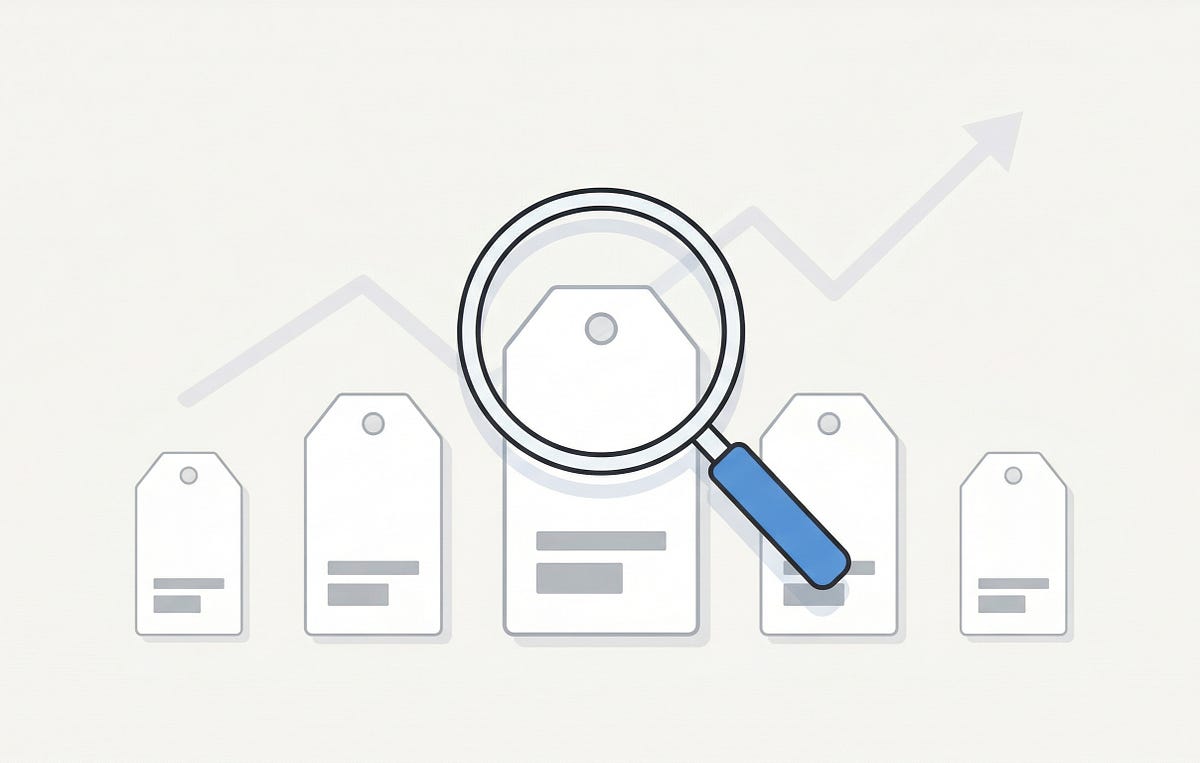
The strategic implications of platform fees resonate deeply within the realm of consumer behavior. When they go unnoticed or unassessed, these fees can distort pricing power and lead to suboptimal decisions. For instance, if a seller is scrutinizing competitor prices without integrating the associated fees into their calculations, they might mistakenly perceive a competitor's price point as more attractive than it truly is or misjudge their own competitive stance. This misalignment can lead to misguided adjustments in pricing strategies that do not reflect true market conditions.
Additionally, understanding the implications of platform fees is vital for optimizing conversion rates. Shoppers are generally price-sensitive, but they also consider the perceived value of products. If sellers set a non-competitive price due to overestimating competitor pricing or underestimating fee impacts, they risk alienating potential customers. Taking into account the impact of platform fees (commissions), sellers can formulate strategy adjustments that align with market demands while preserving healthy profit margins. This holistic approach to pricing, emphasizing the analysis of both internal cost structures and external competitor movements, leads to a more robust market strategy.
Competitors on marketplaces.
Competitors on marketplaces are no longer simply peers vying for customer attention; they represent a complex web of influences that shape market dynamics. Sellers must approach competitor analysis as a multifaceted endeavor that includes not only price but also product features, customer service offerings, and brand reputation. In this competitive landscape, understanding how others position their products alongside the impact of platform fees is essential for maintaining a competitive advantage.
Moreover, competitiveness is fluid, influenced heavily by changes in consumer preferences and economic conditions. Seasonal trends, promotional events, and even unforeseeable external factors like economic downturns can greatly affect how competitors price their products. In times of increased competition, sellers need to adopt a proactive stance to ensure their prices remain attractive. This necessitates continuous monitoring of competitors on marketplaces, whereby shifts in pricing tactics are observed and informed by a thorough understanding of the impact of platform fees (commissions) on overall pricing strategies. An astute seller will be equipped with insights that can forecast competitor movements and mitigate risks associated with market volatility.
Monitoring competitors on marketplaces.
Monitoring competitors on marketplaces extends beyond merely tracking prices; it encompasses a broader analysis of methods sellers use to engage customers. This includes understanding their marketing tactics, customer service approaches, and even inventory management. For example, responding to a competitor's discounting strategy can involve more than merely slashing prices; it may require an encompassing of additional variables such as bundled offerings or enhanced product features that justify a higher price point.
Incorporating a strategic footprint while monitoring competitors on marketplaces involves the use of advanced tools and analytical techniques. These can range from simple spreadsheets that track competitor pricing over time to sophisticated AI-driven analytics that provide real-time data on price movements and stock levels. Such insights are invaluable, particularly when they integrate the implications of platform fees into the equation. Without this critical dimension, the information gleaned is likely to present an incomplete picture, potentially leading to misguided pricing decisions. Thus, monitoring competitors on marketplaces demands a comprehensive skill set that not only emphasizes the price but also integrates the ongoing implications of platform fees for a holistic understanding of the competitive landscape.
The impact of platform fees (commissions) on pricing.
The interplay between pricing dynamics and platform fees transcends mere transactional elements; it resonates on strategic decision-making levels. Sellers must explore the nuances behind platform fee structures and their consequent effects on profitability and pricing strategy in-depth. Failure to adequately assess these forms of fees can result in decisions that undermine profit potential and compromise buyer trust. For example, reducing a product price to contend with a competitor without factoring in the commission's effect can cause a seller to inadvertently ignore substantial losses in their margins.
Additionally, developing a comprehensive strategy that accounts for the impact of platform fees (commissions) on pricing can empower sellers to craft unique value propositions. This can involve adjustments in service offerings or incentivizing long-term customer loyalty over short-term pricing strategies. By weaving the understanding of platform fees into a seller's overall competitive strategy, businesses can carve out niches that allow them to thrive in a crowded marketplace. Understanding the nuanced ways these fees influence not only pricing but also consumer behaviors enables businesses to position themselves effectively, ensuring profitability while navigating the often tumultuous waters of online selling.
สรุป
In conclusion, navigating the complexities of online marketplaces demands that sellers remain keenly aware of the implications of the impact of platform fees (commissions) on pricing strategy when monitoring competitors on marketplaces. By integrating this knowledge into their pricing tactics, sellers can foster a more informed competitive strategy that enhances profitability while retaining customer loyalty and trust. Careful monitoring of competitors alongside a deep understanding of fee structures enables businesses to adapt and thrive in an ever-evolving digital landscape, suggesting that success hinges on the delicate balance of pricing tactics and strategic foresight.
 English